

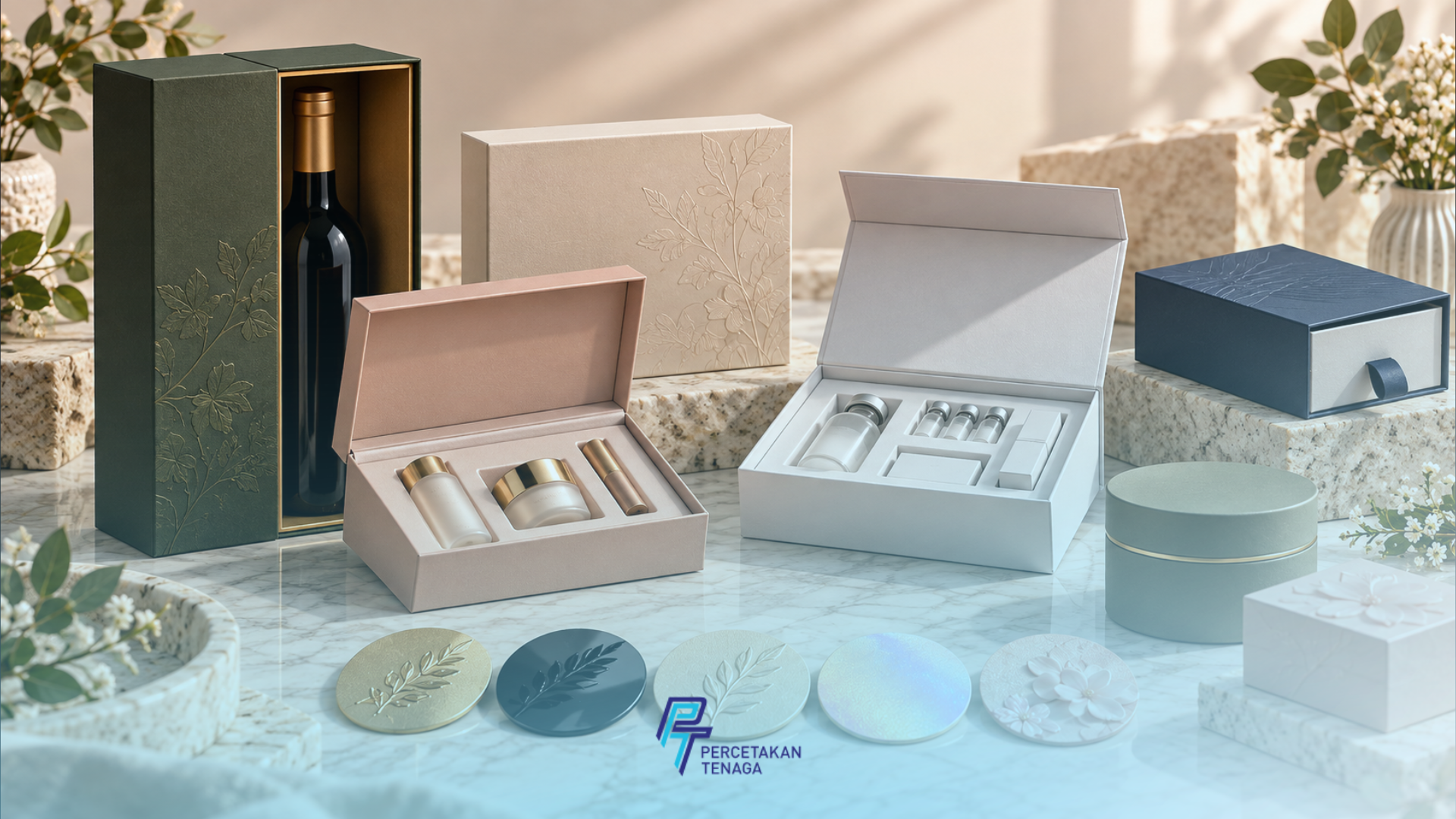
Rigid box, also commonly searched as a hard case box or hard case packaging, comes in at least nine structural formats, drawer, collapsible, magnetic closure, book style, hinged flip lid, top and bottom, shoulder neck, telescopic and custom, each solving a different reveal, storage or fit problem. Four finishing options, foil stamping, spot UV, embossing and heat and scent technology, sit on top of that structure and do most of the actual brand work. This guide goes through each one for Australian wine, skincare, cosmetics, pharmaceutical and electronic device brands specifically, and how to match them to what your product actually needs.
Key Takeaways
- Structure and finish are two separate decisions. Settle the structure against the product first, then choose a finish that suits the brand moment.
- Wine brands often need two different structures for two different jobs: a collapsible box for shipping a full vintage, and a telescopic or book style box for cellar door and gifting presentation.
- Drawer, magnetic closure and top and bottom boxes each create a different reveal experience for skincare and cosmetics, worth matching to how the product is actually opened.
- Pharmaceutical packaging benefits most from a shoulder neck or custom structure, where precise fit matters more than a decorative finish.
- Foil stamping, spot UV, embossing and heat and scent technology each do a different kind of brand work, not interchangeable choices.
- PT Print manufactures all nine structural formats and all four finishing options ourselves, for wine, skincare, cosmetics, pharmaceutical and electronic device brands across Australia.
"Rigid box" is often treated as one product category, when choosing one actually means making two separate decisions: which structural format suits how the product is used and presented, and which finish carries the right kind of brand work on top of it. A wine brand, a skincare label and a pharmaceutical packer are all reaching for the same category of packaging, but rarely the same structure within it.
This guide goes through nine structural formats and four finishing options individually, with a specific focus on wine, skincare, cosmetics, pharmaceutical and electronic device packaging, then covers how to pair structure and finish against real product categories rather than treating them as one combined choice.
For Australian buyers, the same packaging category may also be described as a hard case box, hard case packaging box, premium hard case box, custom hard case box or hard case gift box. These terms generally refer to the same premium paperboard packaging family covered throughout this guide.
Rigid Box Packaging by Product Type
Start with the product you are packing. Each category below shows common packaging applications and the rigid box structures that make the most sense for how that product is stored, presented and opened.
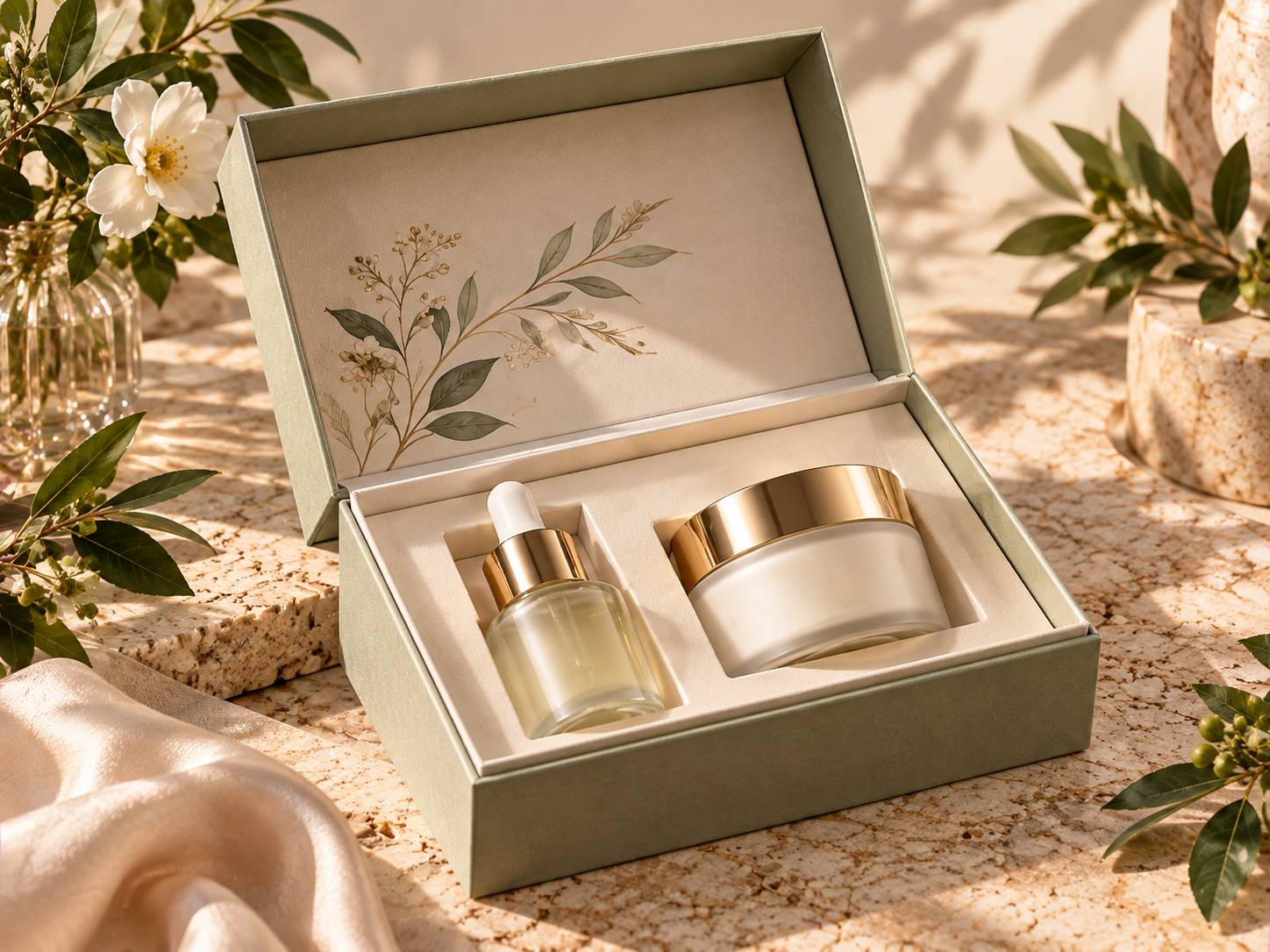
Skincare Box Packaging
- Serum box packaging
- Moisturiser box packaging
- Skincare gift set packaging / hard case gift box
- Treatment kit packaging
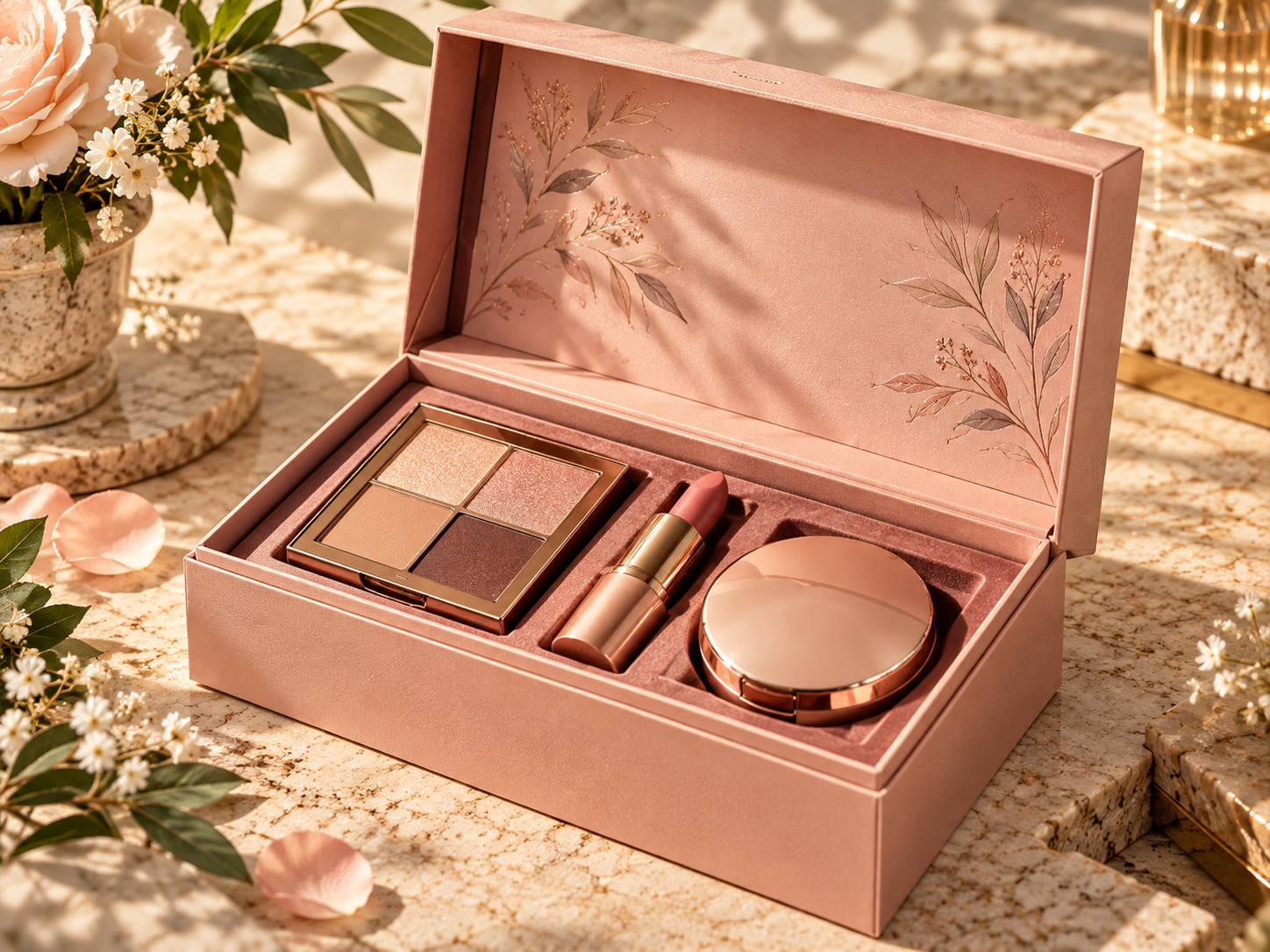
Cosmetics Box Packaging
- Compact and palette packaging
- Cosmetic gift set packaging
- Makeup collection packaging
- Premium retail cosmetics packaging / cosmetic hard case box
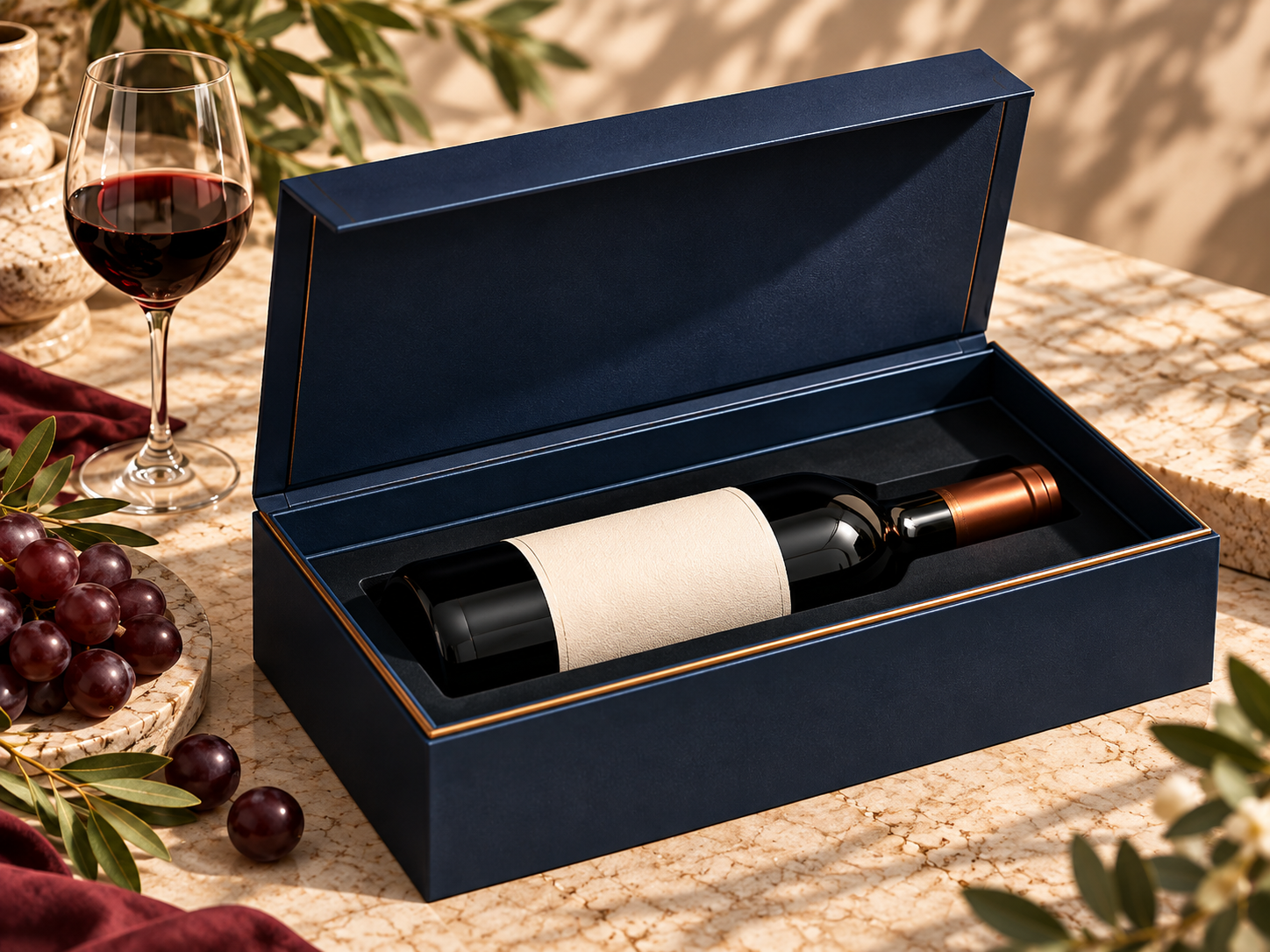
Wine Box Packaging
- Wine bottle packaging
- Cellar door gift packaging
- Premium wine presentation boxes / wine hard case box
- Vintage and seasonal release packaging

Pharmaceutical Box Packaging
- Pharmaceutical product packaging
- Medical device packaging
- Healthcare kit packaging
- Custom-fit product packaging / pharmaceutical hard case box
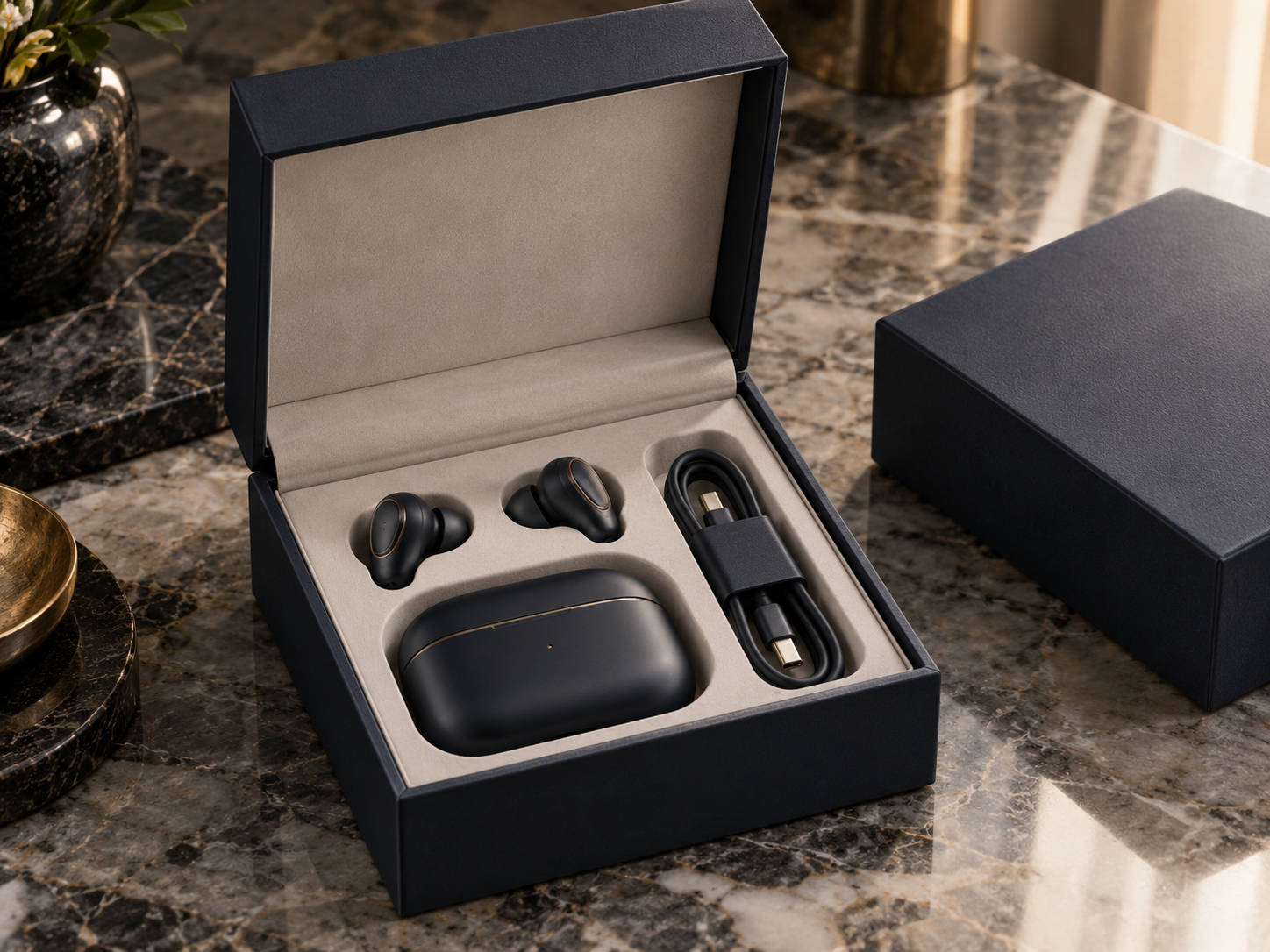
Electronic Device Box Packaging
- Electronic device packaging
- Accessory and component packaging
- Tech gift set packaging
- Custom-fit device packaging / electronics hard case box
01.Rigid Box Packaging Structures
Rigid box packaging structure refers to the way the hard case box is physically built and opened. Drawer, collapsible, magnetic closure, book style, hinged flip lid, top and bottom, shoulder neck, telescopic and custom formats each solve a different need around product fit, presentation, storage and opening experience.
Whether you call it a rigid box, hard case box, custom hard case packaging or premium hard case gift box, use the structure guide below as the reference point for choosing the format that best suits how your product needs to fit, open, store and present.
Drawer
Slide-out tray structure
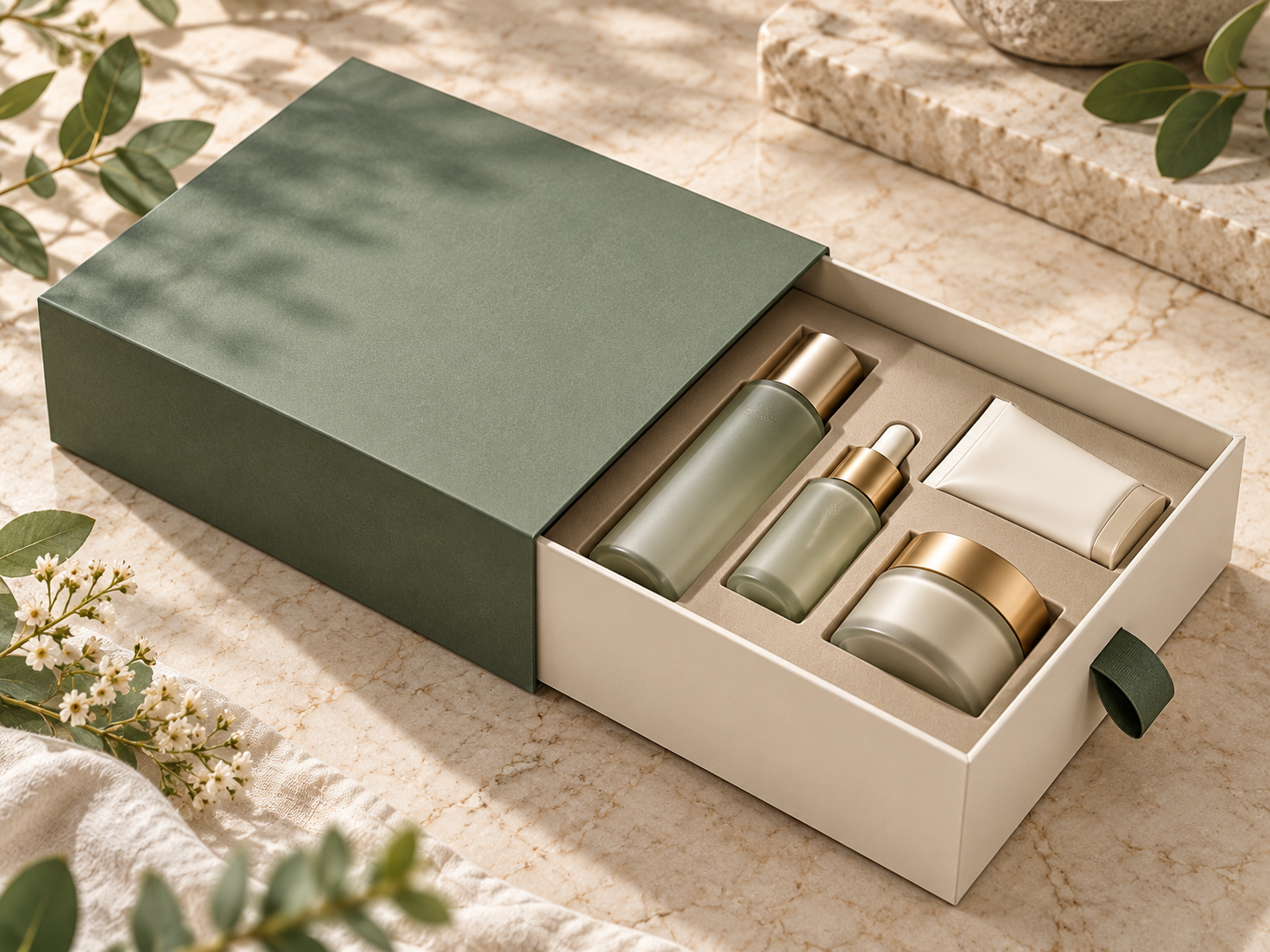
A drawer rigid box, sometimes called a drawer hard case box or slide-out rigid box, is built from two main parts: a rigid outer sleeve and a separate inner tray that pulls out horizontally. The tray can be fitted with paperboard, foam or moulded inserts so bottles, jars, compacts or accessories stay in a fixed position while the customer opens the pack. It is especially useful for skincare and cosmetics gift sets because the sliding action creates a controlled reveal without removing a lid completely. The sleeve and tray must be produced to close tolerances so the drawer moves smoothly without becoming too tight, too loose or uneven.
Collapsible
Flat-pack rigid structure
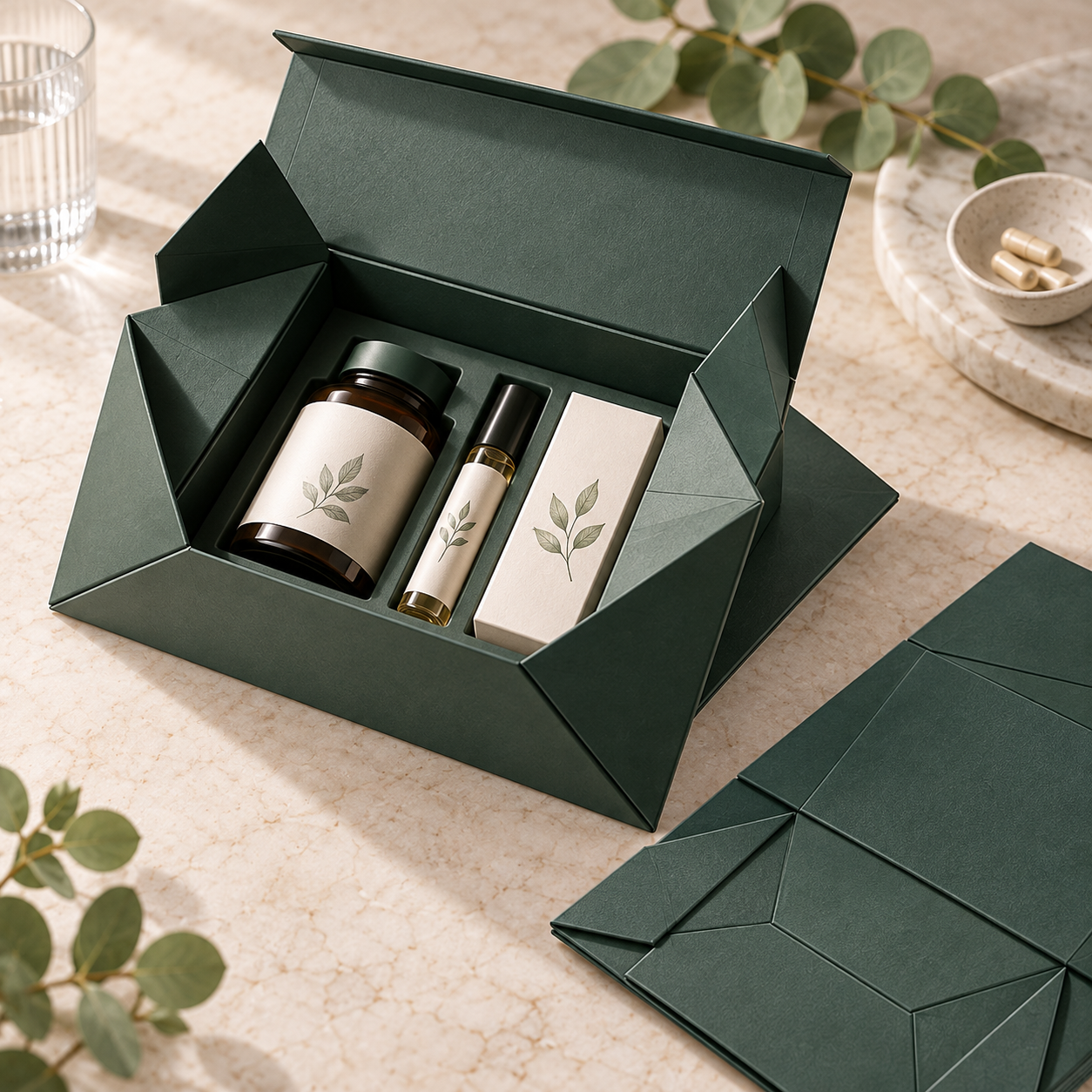
A collapsible rigid box is a hard case box designed with folding side panels so it can be supplied flat, then opened and locked into its full three-dimensional shape during packing. Once assembled, it gives the appearance and strength of a conventional rigid box while taking up much less warehouse and shipping space beforehand. This is particularly practical for Australian wine brands ordering packaging for a full vintage or seasonal release, where hundreds or thousands of pre-formed boxes would otherwise occupy significant storage space. It can also work for skincare and cosmetics ranges that need premium presentation but are filled in batches rather than all at once.
Magnetic Closure
Concealed magnetic closure
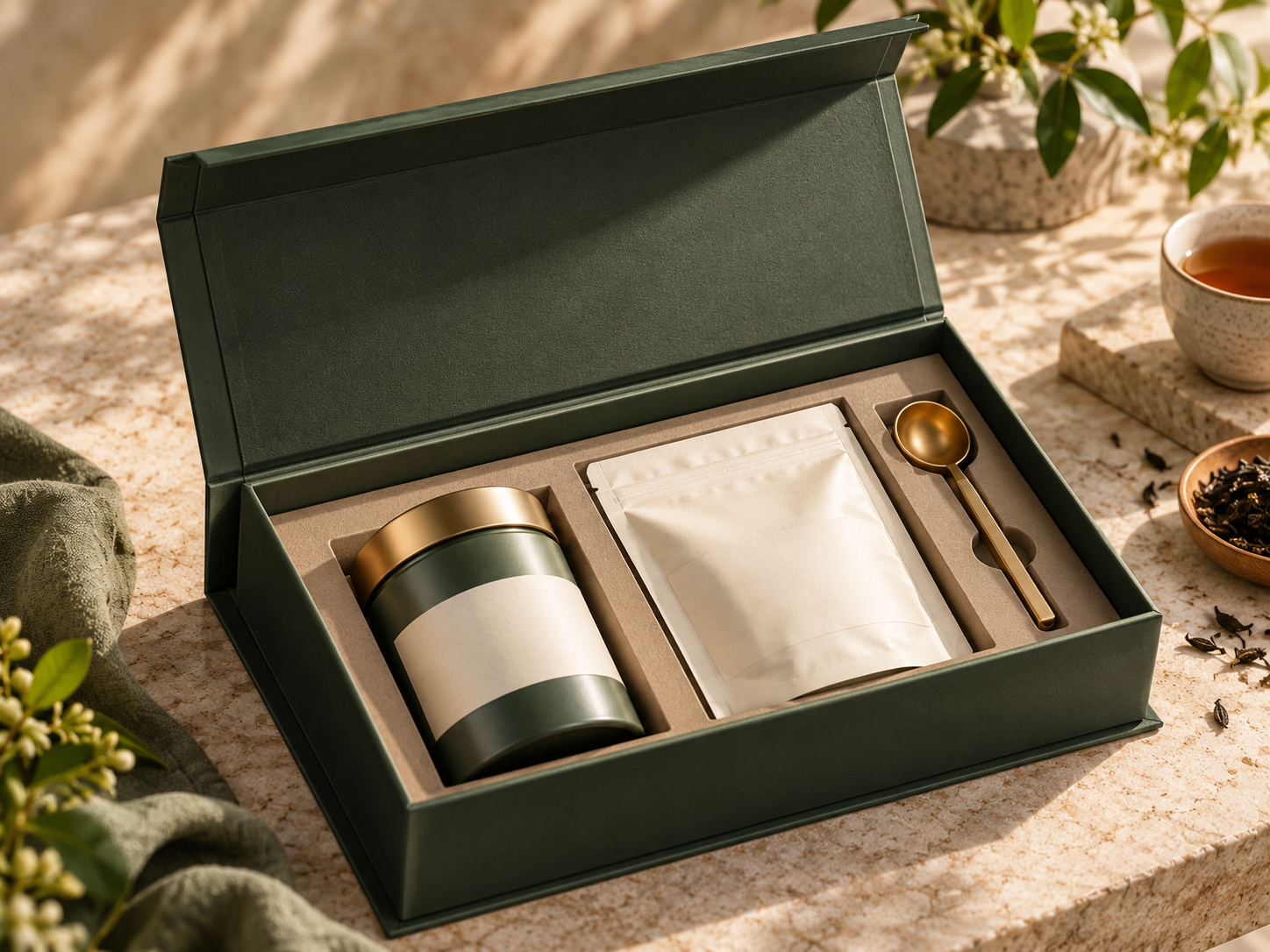
A magnetic closure rigid box uses small concealed magnets embedded inside the wrapped board, usually along the front edge of the lid and base. The lid stays attached to the box and closes by aligning the hidden magnets, so there is no visible clasp, ribbon or elastic band on the outside. This creates a clean hard case box with a repeatable open-and-close action, making it well suited to skincare kits, cosmetic collections, electronic device accessories and presentation sets that may be opened many times after purchase. The magnet position and board thickness need to be planned accurately so the closure feels secure without being difficult to open.
Book Style
Side-opening hinged spine
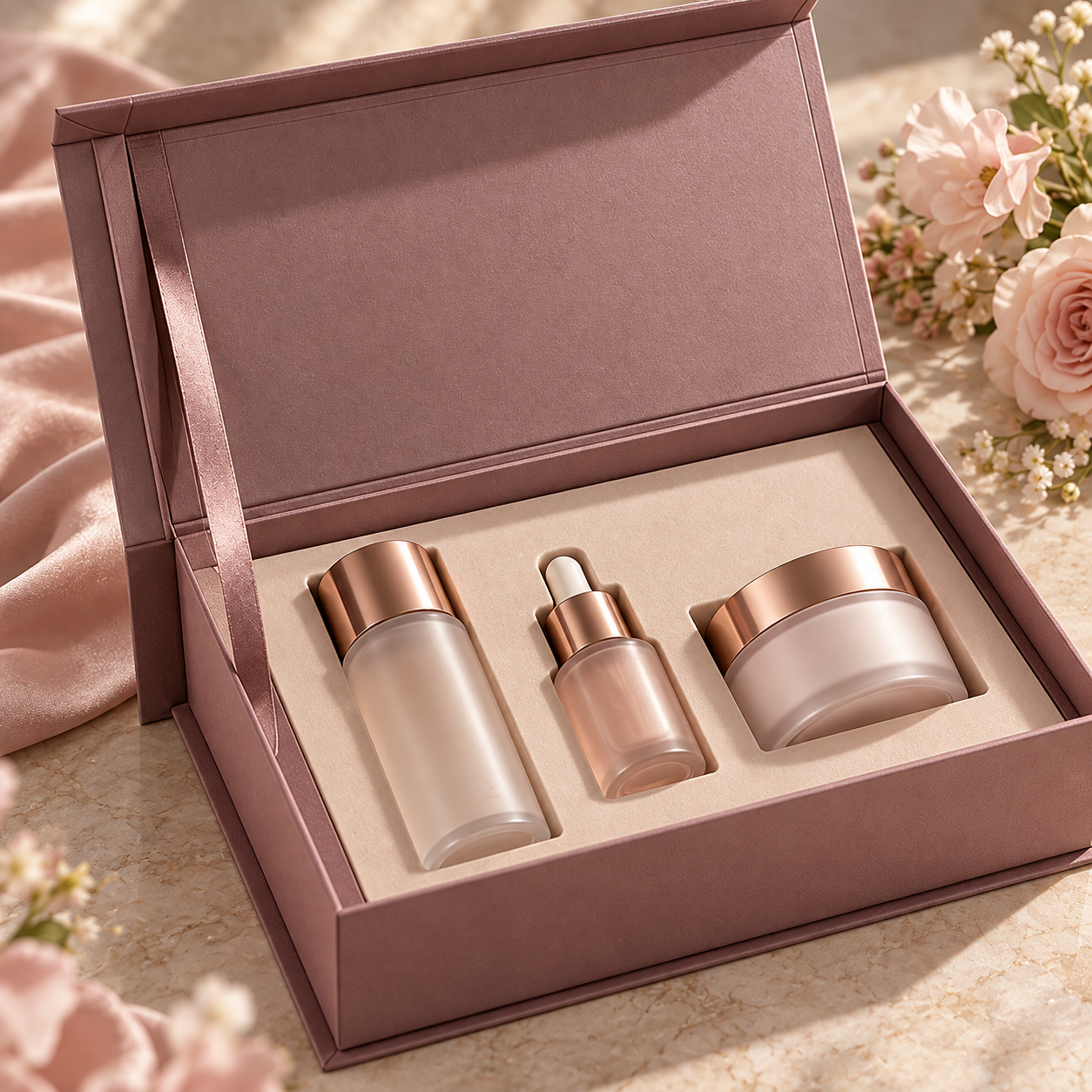
A book style rigid box is constructed with a hinged spine connecting the lid to the base, allowing the package to open sideways like a hardcover book. The product usually sits inside a fitted tray or insert on one side, while the large inside lid gives brands space for printed storytelling, instructions, artwork or product information. This structure works well for premium skincare and cosmetics collections where the opening sequence is part of the presentation, and for wine gift packaging where vineyard, vintage or brand heritage can be carried across the inside panel. Compared with a simple top-and-bottom hard case box, the lid remains attached throughout the unboxing experience.
Hinged Flip Lid
Attached flip-open lid
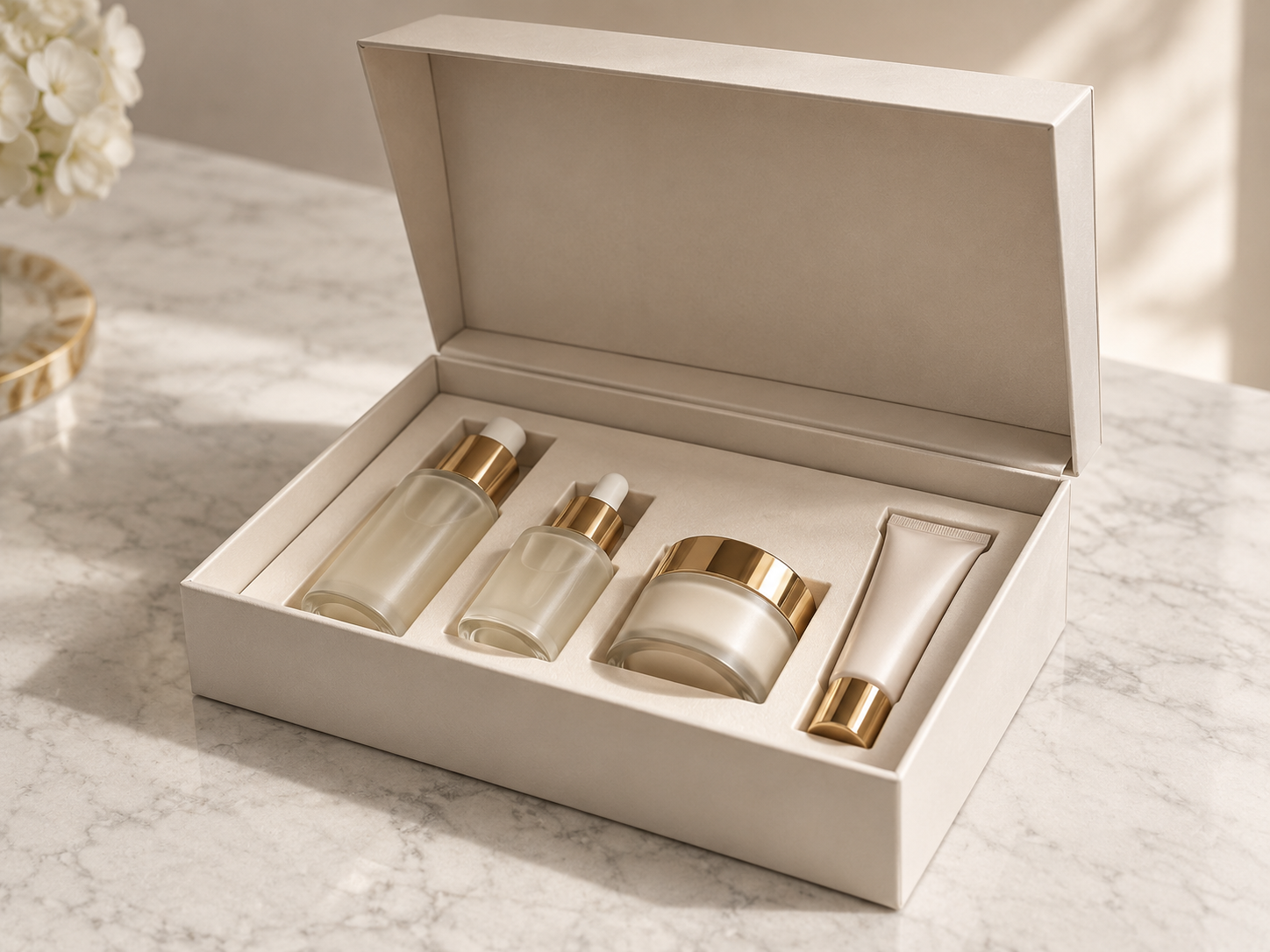
A hinged flip lid rigid box has a lid permanently connected to the base along one edge, usually by the wrapped paper or a concealed hinge construction. Instead of removing the lid, the user lifts it upward and folds it back to access the fitted product tray inside. Because the lid stays attached, the box is convenient for products that are opened and closed regularly, such as skincare sets, cosmetic palettes and treatment kits. The attached lid also helps the packaging keep a neat, unified shape on a dressing table or retail display while still delivering a premium hard case box feel.
Top & Bottom
Classic two-piece box
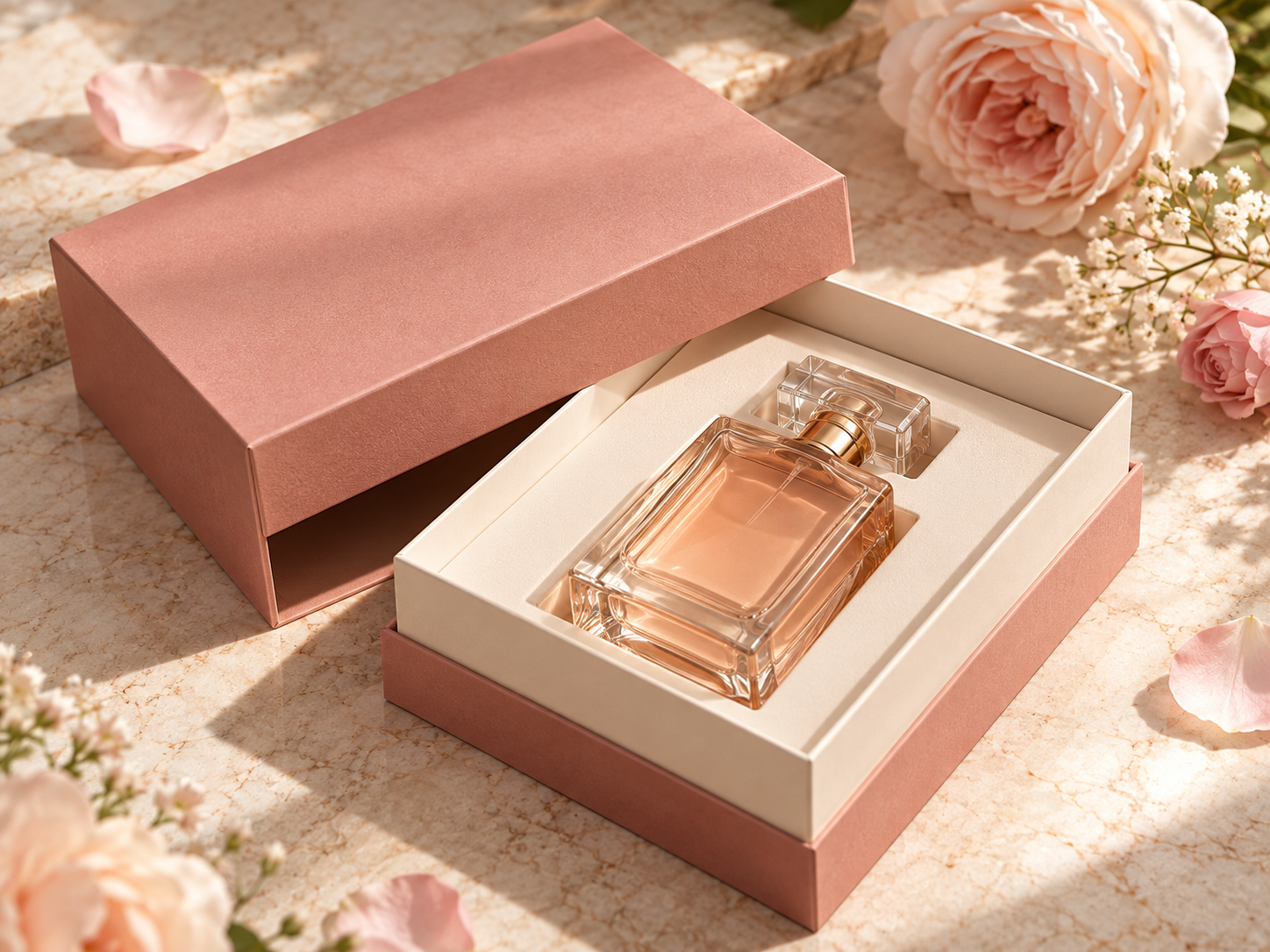
A top and bottom rigid box is a classic two-piece hard case box made from a separate rigid base and a separate lift-off lid. The lid is sized to fit over the base with enough overlap to stay secure, but it can be removed completely without a hinge, magnet or sliding mechanism. The simple construction makes it highly adaptable to different product dimensions and insert types, including skincare jars, cosmetic sets and pharmaceutical products. It is a useful choice when the brand wants the solid feel of rigid packaging without adding a more complex opening mechanism, and the large lid surface gives plenty of space for foil, embossing or printed branding.
Shoulder Neck
Raised inner neck structure
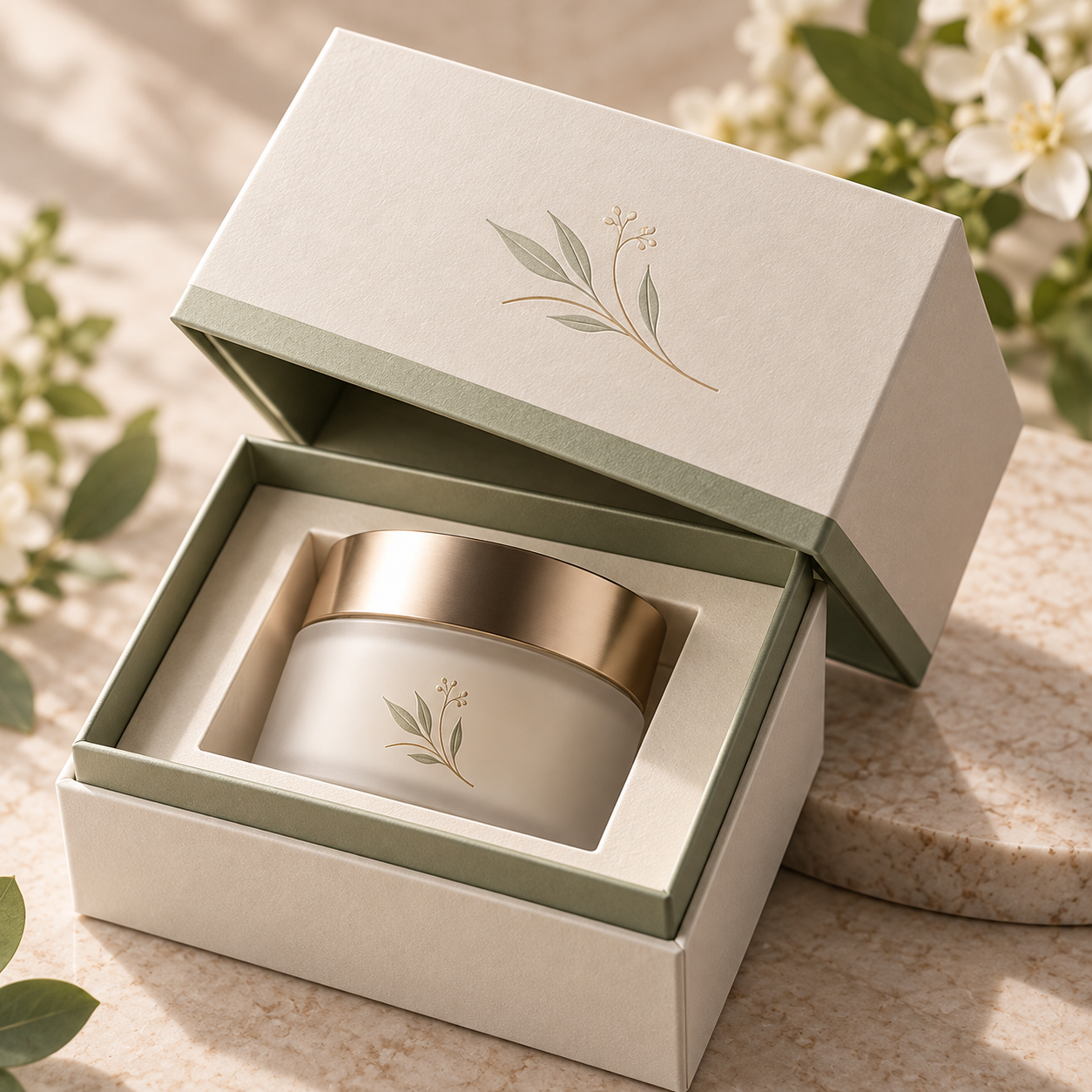
A shoulder neck rigid box uses a three-part construction: the outer base, a raised inner neck or shoulder, and a separate lid. The internal neck projects above the base and guides the lid into a fixed position, creating a visible stepped detail when the box is opened and a more precise alignment when it is closed. This structure is useful for pharmaceutical, healthcare and electronic device packaging where the outer presentation needs to look controlled and the lid must sit consistently level around a fitted insert. It can also be used for premium skincare jars or treatment products when a deeper, more architectural hard case box is preferred over a standard two-piece lid and base.
Telescopic
Deep overlapping lid
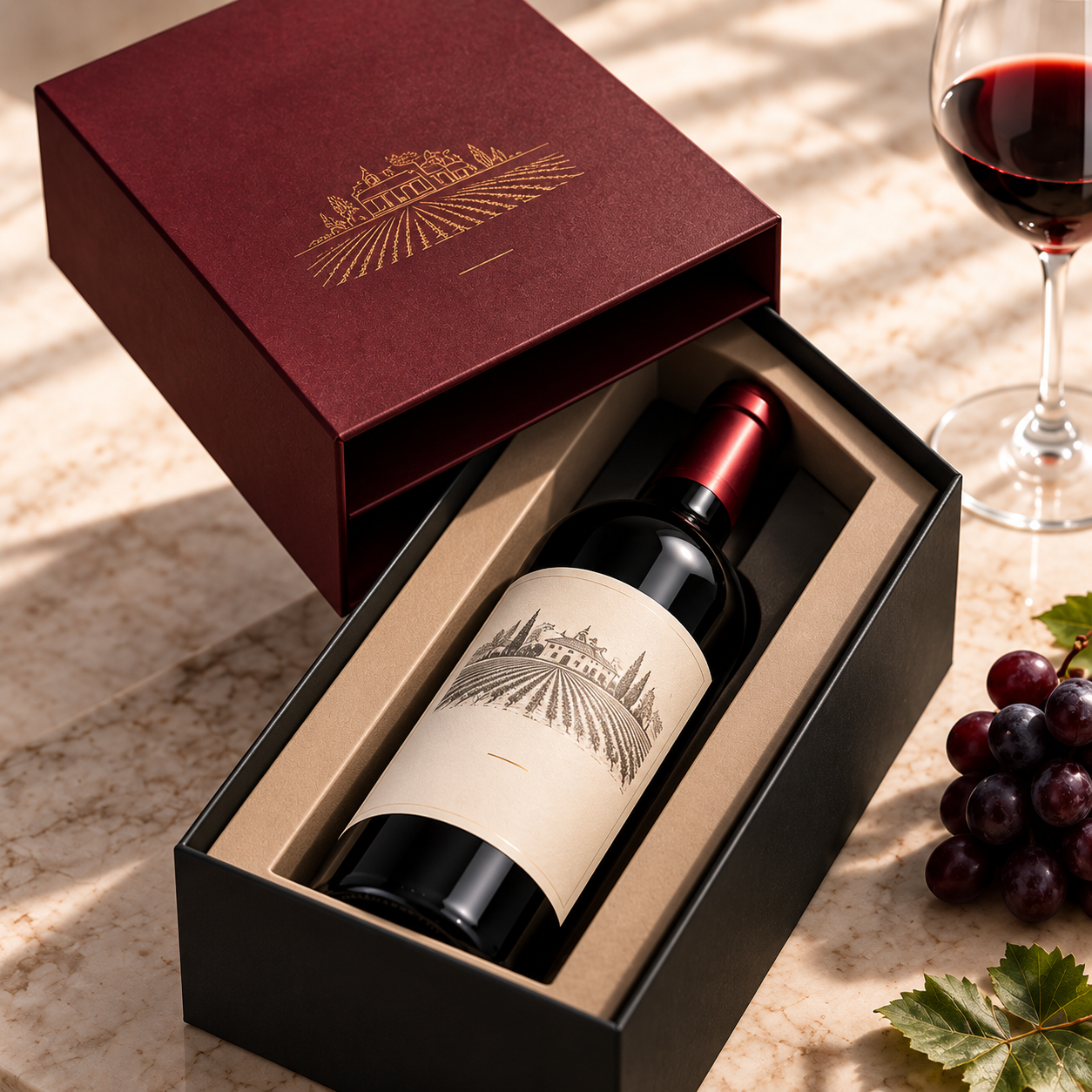
A telescopic rigid box is a two-piece structure with a deep lid that slides vertically over most or all of the base, rather than covering only the top edge. The long overlap between the lid and base creates a snug fit and gives the box stronger side coverage than a shallow top-and-bottom format. This makes it suitable for tall or narrow products such as wine bottles, skincare serums and treatment bottles, where more of the product height needs to be enclosed inside the hard case box. The depth of the lid can be adjusted depending on how much of the base should remain visible when the box is closed.
Custom Formats
Engineered around the product
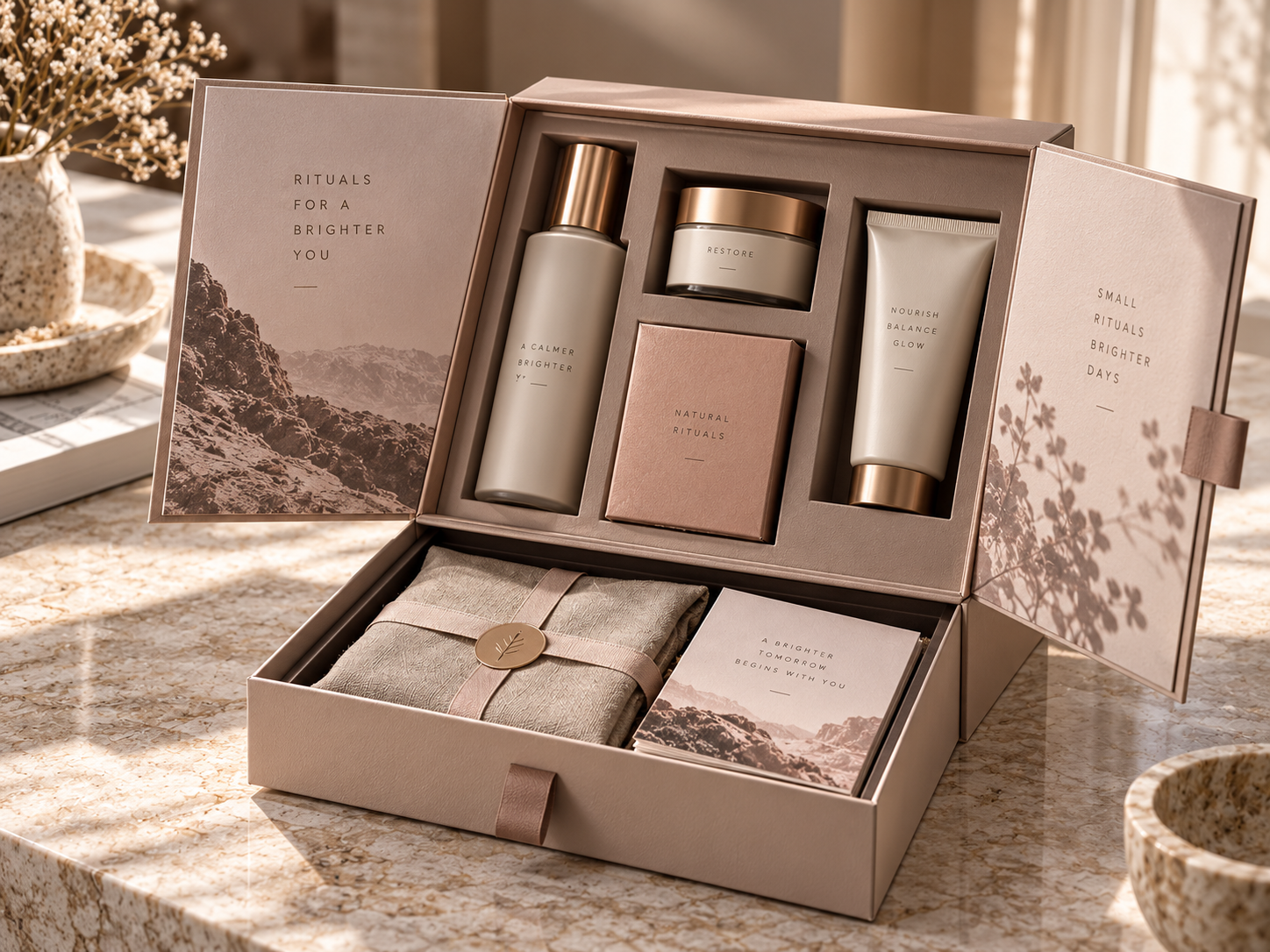
A custom format rigid box is engineered around the exact product instead of starting from one of the standard box structures. The outer hard case box, internal compartments, inserts, opening direction and supporting panels can all be adjusted to suit an unusual product shape or a multi-part set. This is especially relevant for pharmaceutical and medical device packaging, and for electronic devices with several components that each need a dedicated, fitted cavity, as well as skincare or cosmetics gift sets that combine different bottle and jar sizes in one presentation. Custom formats are also useful when a product needs a specific reveal sequence or when standard drawer, book style, telescopic or top-and-bottom structures cannot hold the product securely enough.
02.Rigid Box Finishes, One at a Time
Once the structure is decided, the finish is where the actual brand impression gets made. The four below each solve a different problem, so treat them as distinct tools rather than interchangeable options.

Foil Stamping
Metallic or coloured foil is pressed onto selected parts of the hard case box artwork, usually the logo, wordmark, border or a small graphic accent. It adds a reflective finish that stands apart from standard print and works especially well when the brand needs one premium detail to catch the light.
- Wine gift and presentation boxes
- Skincare and cosmetics gift sets
- Premium hard case packaging
- Pharmaceutical brand marks and presentation packs
Spot UV
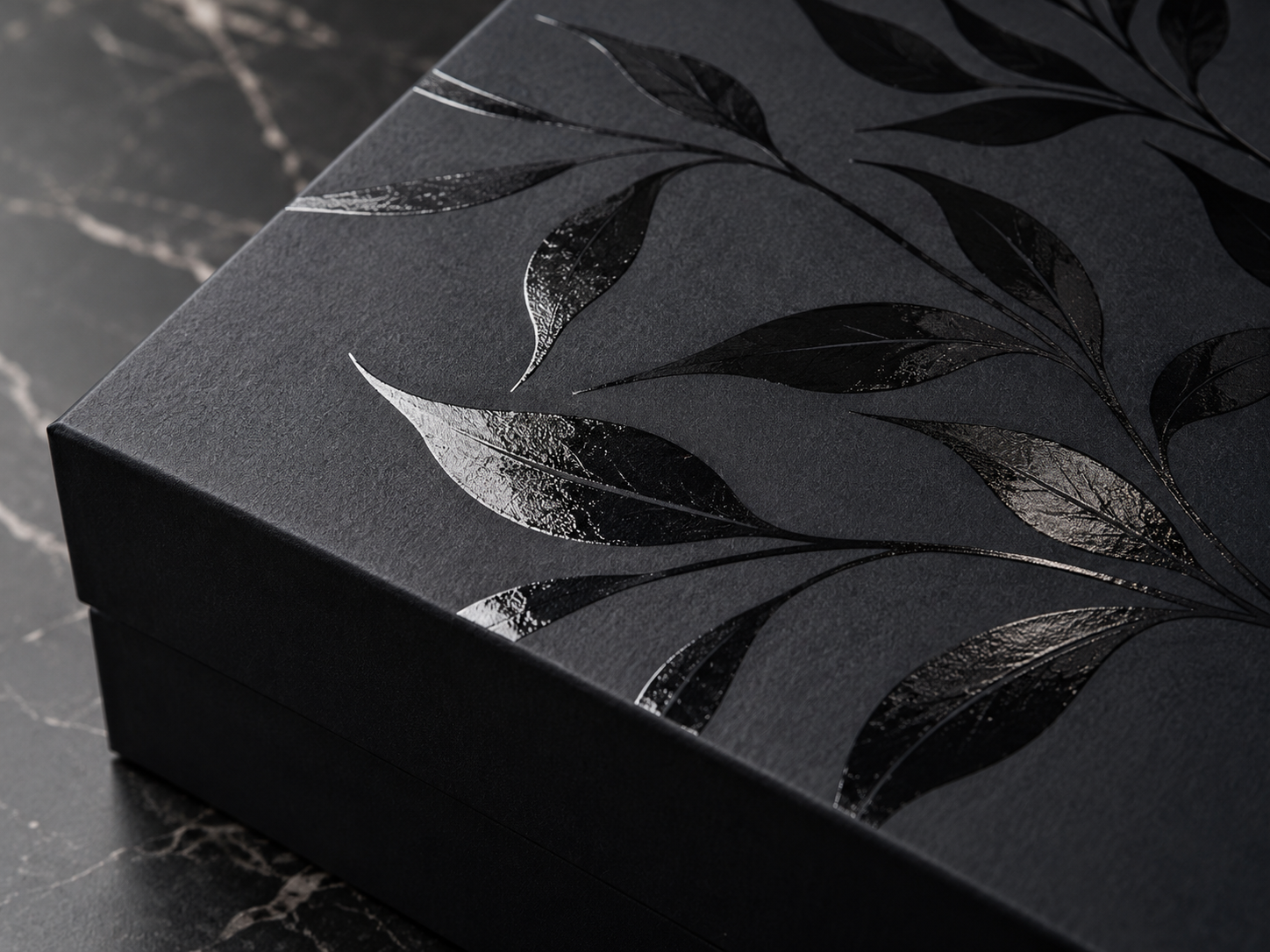
A clear gloss coating is applied only to selected artwork rather than across the whole rigid box. Against a matte surface, the glossy area creates contrast without introducing another colour, making logos, icons, linework or certification details stand out more clearly.
- Skincare retail packaging
- Cosmetics hard case boxes
- Wine branding details
- Logos, icons and small graphic accents
Embossing
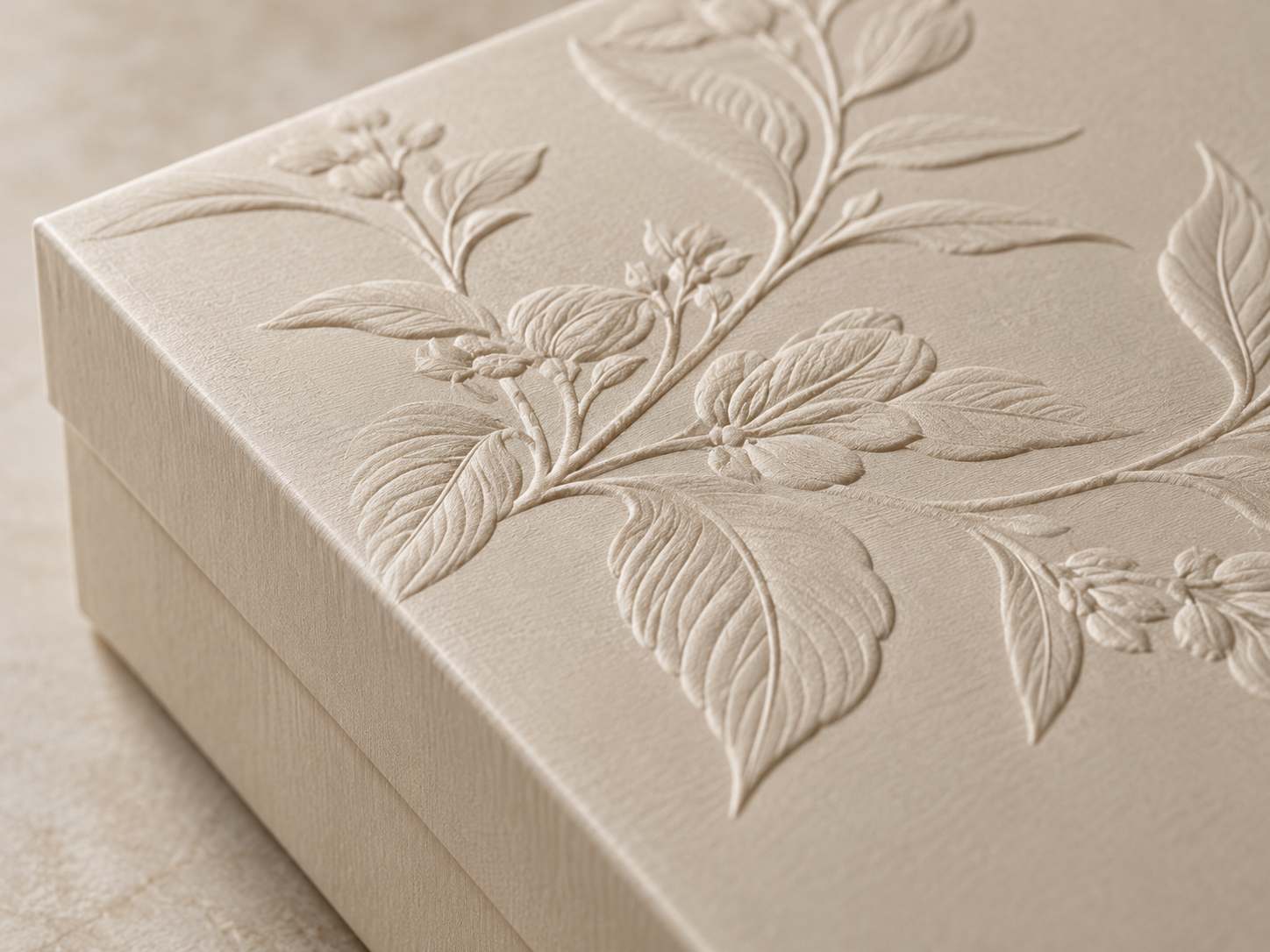
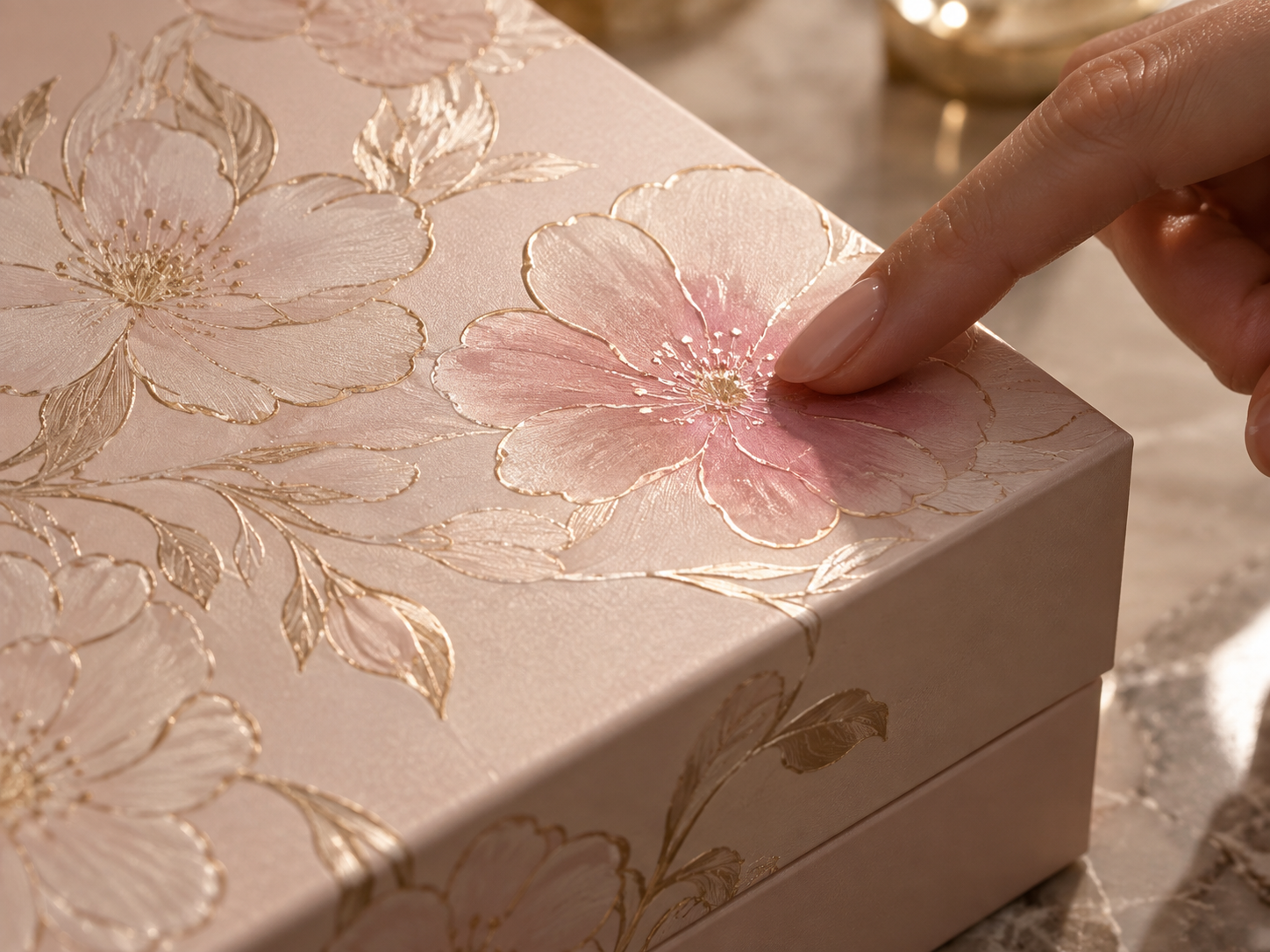
Selected artwork is physically raised above the surface of the rigid box, giving the design a tactile dimension that can be felt as well as seen. It works best when the brand wants texture to reinforce a logo, ingredient, botanical detail, vineyard motif or heritage element.
- Ingredient-led skincare packaging
- Premium cosmetics boxes
- Wine and vineyard presentation boxes
- Logos and tactile brand details
Heat & Scent Technology
Interactive coatings can add another layer to the opening experience: heat-reactive ink changes appearance when warmed by touch, while scent coatings release fragrance when the hard case box is handled or opened. These finishes are better suited to memorable launches and gifting moments than everyday packaging where a simpler surface treatment is enough.
- Limited-edition skincare and cosmetics sets
- Premium gifting and launch kits
- Interactive hard case packaging
- Special releases designed around the unboxing experience
All four need to be planned into the dieline and artwork from the earliest design stages. For a fuller look at how dielines, colour and finishes come together during production, see our guide on sustainable packaging in Australia, since chipboard's fibre-based sourcing sits alongside these finish decisions.
03.Matching Structure and Finish to Your Product
Too often, a brand picks the structure and the finish as a single bundled decision. The pairings below reflect what actually holds up across wine, skincare, cosmetics, pharmaceutical and electronic device packaging specifically, offered as a starting reference rather than a fixed rule.
| Product Category | Structure | Finish |
|---|---|---|
| Wine Shipping & Bulk Volume | Collapsible | Minimal, efficient finish |
| Wine Cellar Door & Gifting | Telescopic or book style | Foil stamping or embossing |
| Skincare & Cosmetics Gift Sets | Drawer | Foil stamping |
| Skincare & Cosmetics Retail Lines | Top and bottom | Spot UV |
| Daily-Use Compacts & Palettes | Hinged flip lid or magnetic closure | Embossing |
| Pharmaceutical Packaging | Shoulder neck or custom | Minimal external finish, precise internal fit prioritised |
| Electronic Device Packaging | Magnetic closure, shoulder neck or custom | Minimal external finish, precise internal fit prioritised |
| Interactive Gifting Across Categories | Drawer or custom | Heat & scent technology |
"The structure decides how the product gets handled. The finish decides what the brand looks like while that's happening."
why these are two separate decisions, not one combined choiceNone of these pairings are fixed rules. A wine brand with a genuinely unusual bottle shape, or a skincare line with a specific reveal moment in mind, should still start from the product's own requirements first, using this table as a starting reference rather than a template.
04.What to Check Before Committing to a Structure and Finish
Settling on a structure and finish is only the first half of the decision. A short set of practical questions determines whether it can actually be delivered at your volume and timeline.
- Can the manufacturer point to real examples of this specific structure they've actually produced?
- Is the minimum order quantity workable for a first production run at this volume?
- Has an actual physical sample been approved, rather than a digital mockup that hasn't been handled yet?
- For pharmaceutical packaging, has the fit been checked against the real device or product, not an approximate dimension?
Our minimum order quantity for boxes starts at 5,000 units, regardless of which structure or finish combination is chosen. For the full manufacturing sequence behind any rigid box structure, see our guide on custom packaging from design to mass production, and for a broader look at rigid box as a category, our complete guide to rigid box packaging.
05.Final Summary
Rigid box structure and finish are two separate decisions, not one combined choice. Wine, skincare, cosmetics, pharmaceutical and electronic device brands each reach for a different structure for a different reason, a collapsible box for a full vintage, a drawer for a gift set, a shoulder neck for a precise pharmaceutical or electronic fit, while foil stamping, spot UV, embossing and heat and scent technology each carry a different kind of brand work on top. Matching both to the actual product is what keeps a rigid box project from delivering a generic result despite being built for premium presentation.
Not sure which structure and finish fits your product?
Tell us about your product, wine, skincare, cosmetics, pharmaceutical or electronic device, and the moment you want the box to create, and we'll recommend a structure and finish combination built around it.
Talk to Us About Your PackagingFAQs
What rigid box structure works best for wine packaging?
A collapsible rigid box suits wine brands ordering across a full vintage, since it ships and stores flat until needed. For cellar door and gifting moments specifically, a telescopic or book style rigid box gives a bottle a snugger, more considered presentation than a standard lid-and-base structure.
Why do skincare and cosmetics brands often use drawer rigid boxes?
A drawer rigid box creates a paced reveal as the inner tray slides out, which suits skincare and cosmetics gift sets where several products sit together and get presented as one considered moment, rather than a lid simply lifting straight off.
What structure suits pharmaceutical packaging with a precise fit requirement?
A shoulder neck rigid box uses an internal stepped rim to seat the lid into an exact position, which suits pharmaceutical packaging where the lid needs to align precisely rather than sit at a slight angle. For irregular devices or multi-part kits, a custom structure engineered around the product is usually the better fit.
What rigid box structure suits electronic device packaging?
A shoulder neck or custom structure usually suits electronic devices best, since both allow the lid and internal cavity to align precisely with the device and any accessories. A magnetic closure structure works well for tech accessories and presentation sets that need a secure, tool-free close without visible hardware.
How does a magnetic rigid box close without visible hardware?
A magnet built into the lid and base holds a magnetic rigid box shut, so there's no clasp, ribbon or tie to see from the outside. Cosmetics compacts and skincare sets that customers open and close many times over benefit most, since a magnet doesn't fatigue the way a ribbon closure does with repeated use.
How do I choose the right finish for my rigid box?
Start with what the design actually needs highlighted. A logo or wordmark usually calls for foil, a single design detail benefits from spot UV's contrast, a tactile or ingredient-led brand suits embossing, and a gift set or limited release aimed at a memorable opening moment is where heat and scent technology earns its place.