

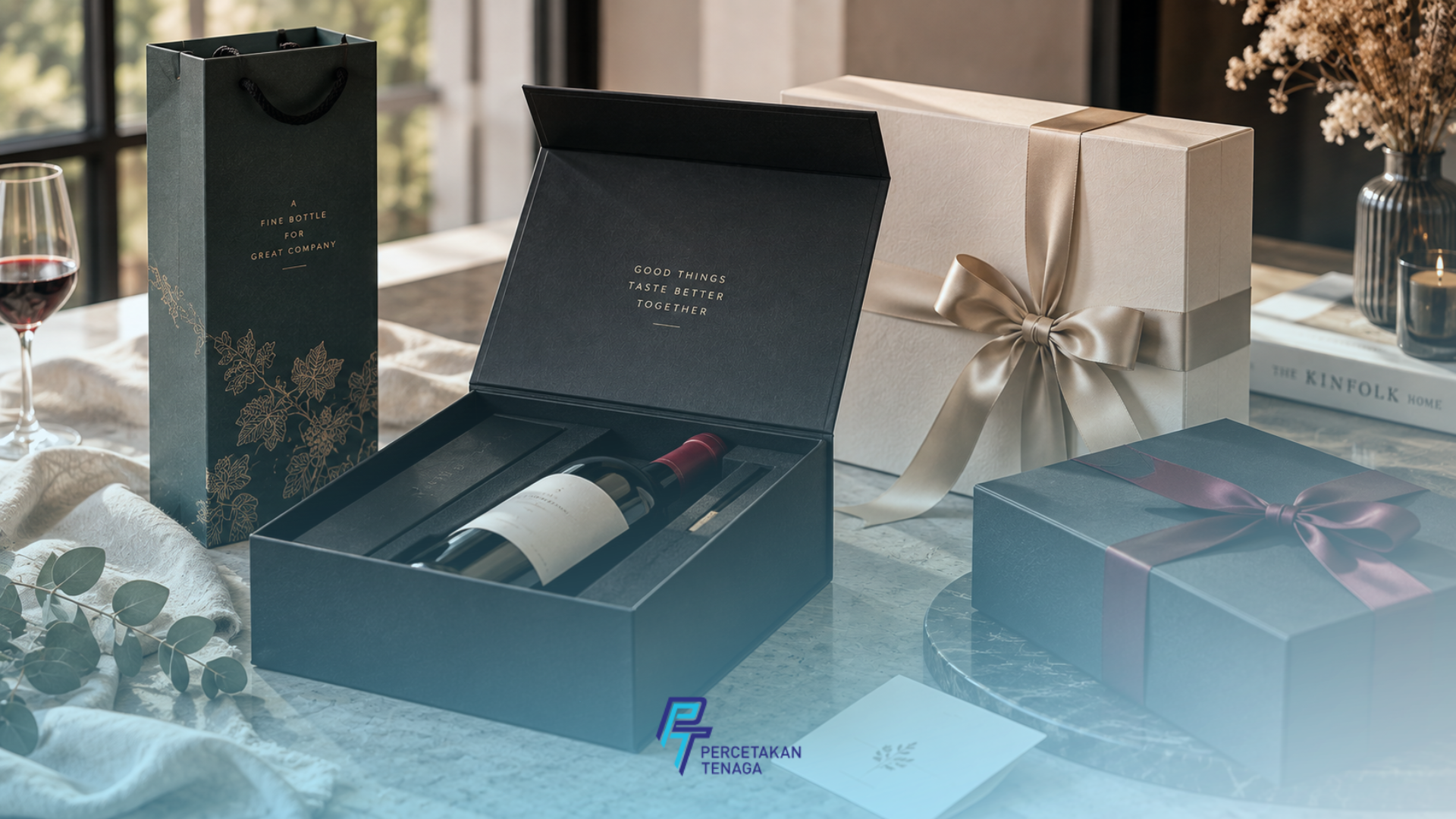
A rigid box holds its shape because it's built from chipboard, not the lighter card used in a standard box. That fixed structure is what makes it the format brands reach for when presentation matters as much as protection. This guide covers the formats available, materials and finishes, how it's actually manufactured, where it's used, its real trade-offs against other packaging, what shapes cost, and how to choose a manufacturer for Australian brands.
Key Takeaways
- Chipboard is what separates a rigid box from every lighter packaging structure, giving it a fixed shape that doesn't collapse under handling.
- At least seven structural formats exist, each solving a different presentation problem, from a sliding drawer reveal to a fully custom shape.
- Foil stamping, spot UV and embossing carry most of the premium presentation work, and all three need planning before production starts.
- Manufacturing runs through the same seven-stage sequence as any custom packaging project, and skipping the prototype stage is where most problems start.
- Corporate gifting, electronics, skincare and cosmetics, wine, home and personal care, and pharmaceutical categories each use rigid box for a different reason.
- Minimum order quantity starts at 5,000 units for boxes, and the real cost depends on structural complexity and finish, not just the base material.
01.What Is Rigid Box Packaging?
A rigid box is a premium packaging structure made from thick chipboard, giving it a firm shape that stays intact whether the box is full or empty. Unlike a standard folding carton made from lighter art card, it does not collapse flat, which gives it a more substantial feel when picked up, opened and handled.
That stronger structure is why rigid boxes are often used when presentation matters just as much as protection. They work especially well for corporate gifts, premium retail products and gift sets, where the packaging is part of the overall brand experience. The trade-off is that rigid boxes are generally heavier and more costly than standard cardboard boxes, but they offer a more durable structure and a noticeably more premium presentation.
Rigid box packaging uses thick chipboard to create a strong, fixed structure with a premium feel, while standard cardboard packaging uses lighter material that is more flexible and economical.
02.What Rigid Box Formats Are Available?
Rigid box isn't a single shape, it's a category. At least nine distinct structural formats exist, each built for a different reveal moment, storage need or product shape.
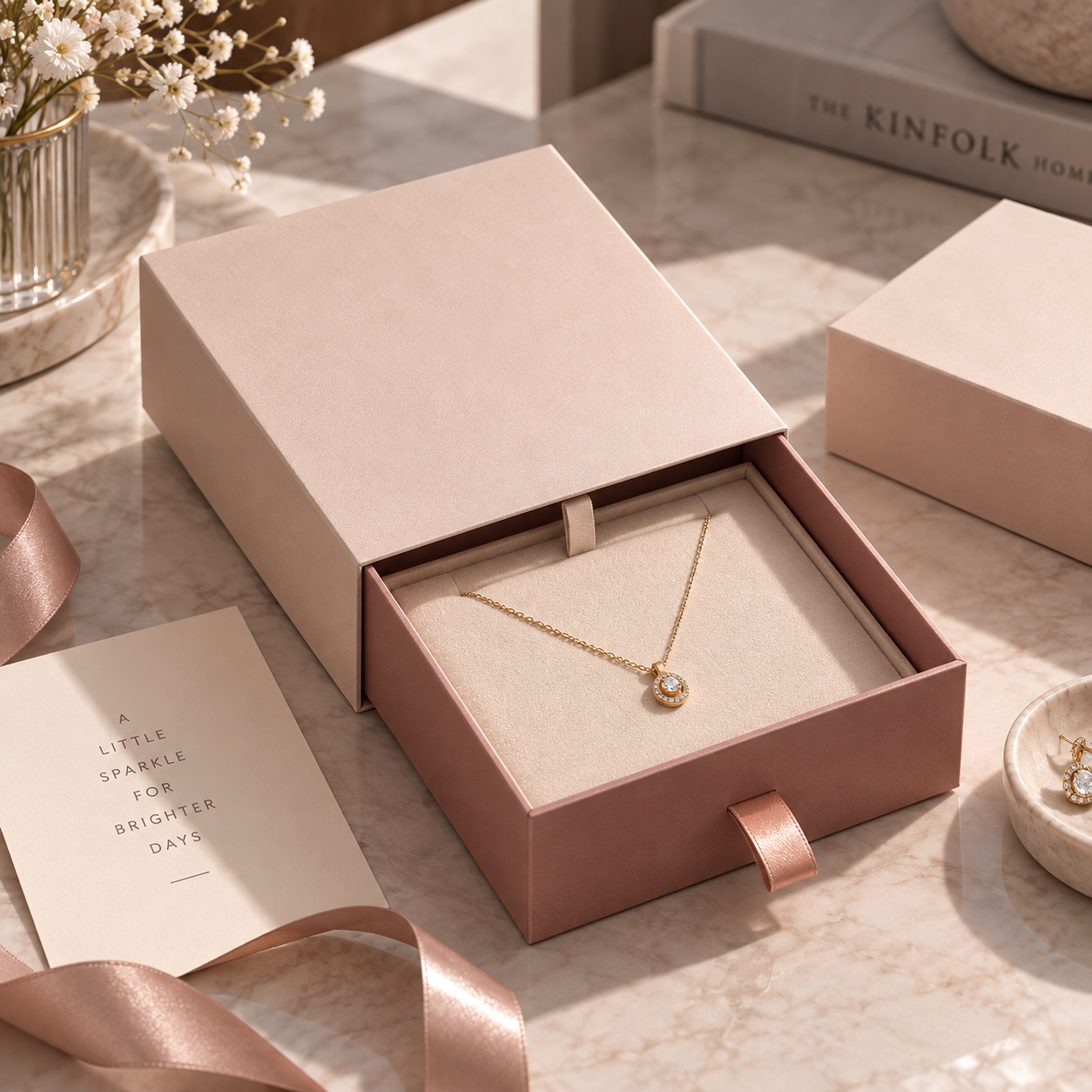
Drawer
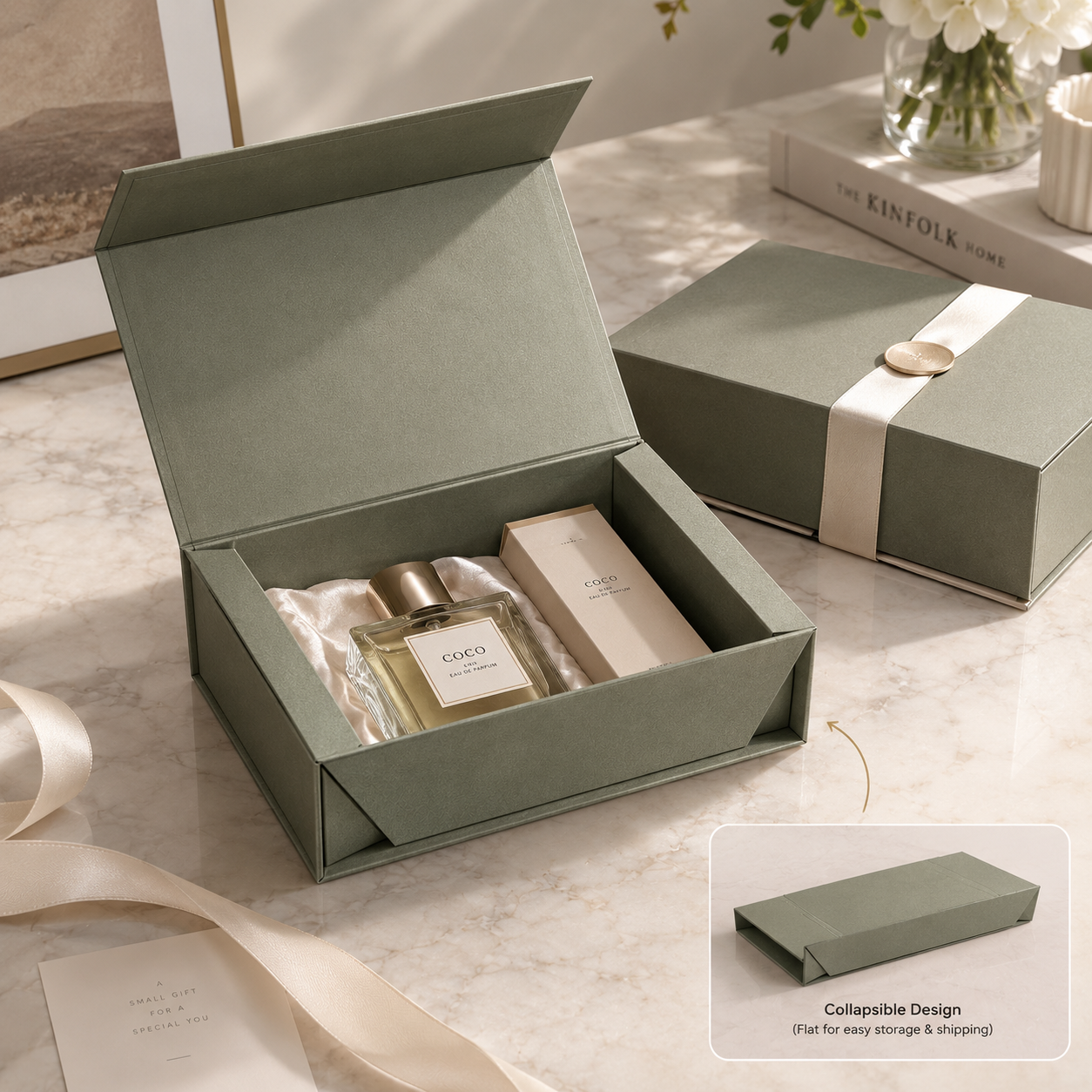
Collapsible
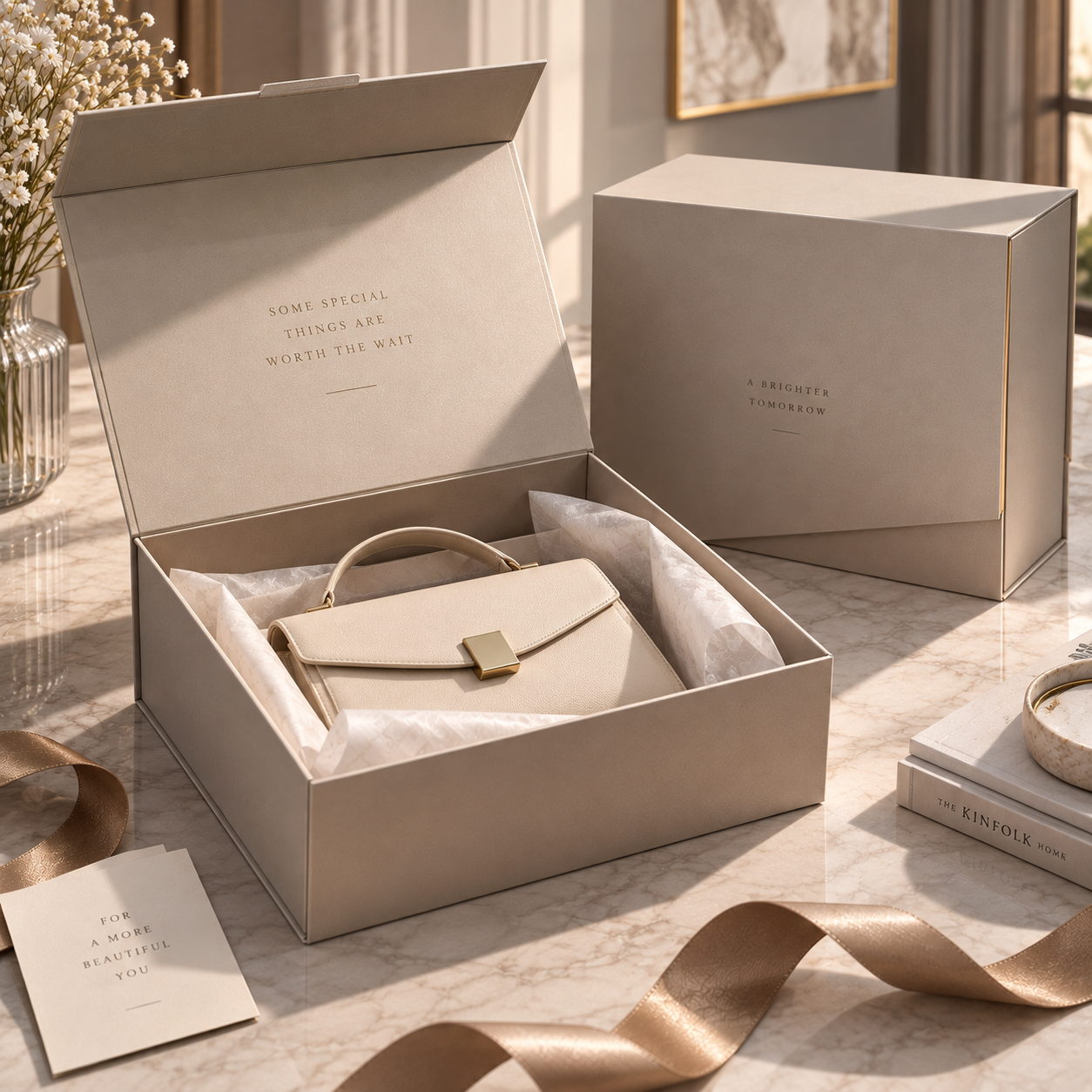
Magnetic Closure
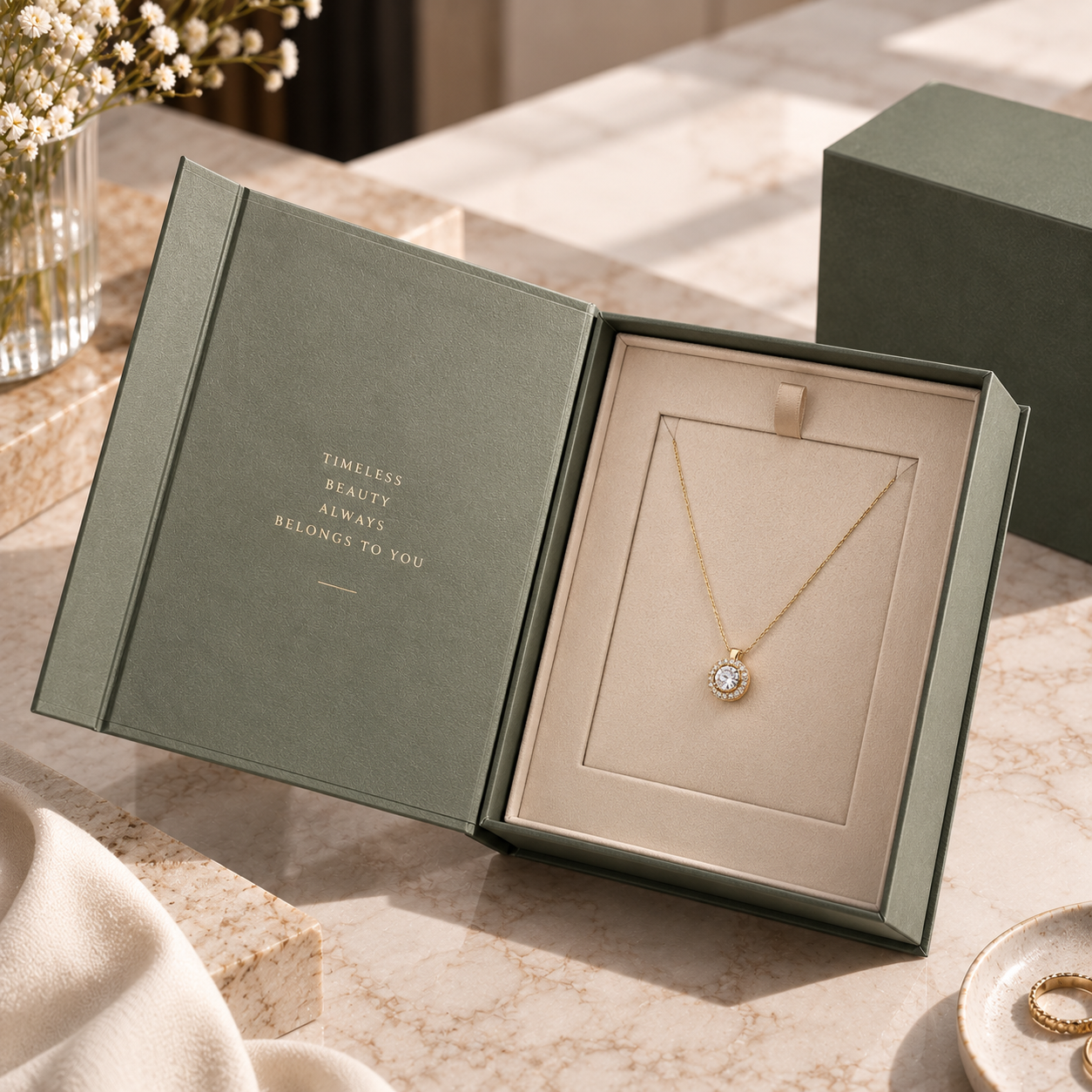
Book Style
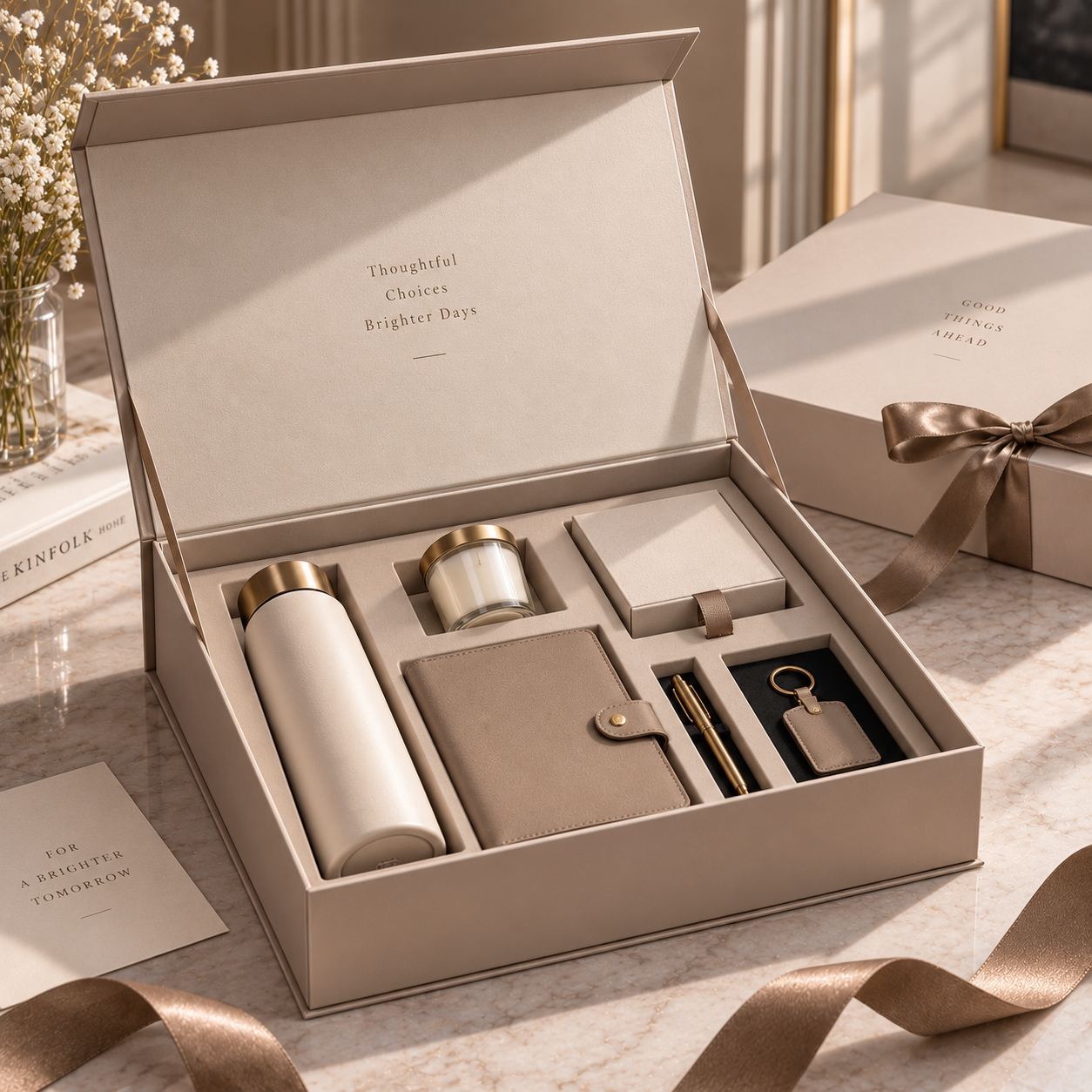
Hinged Flip Lid
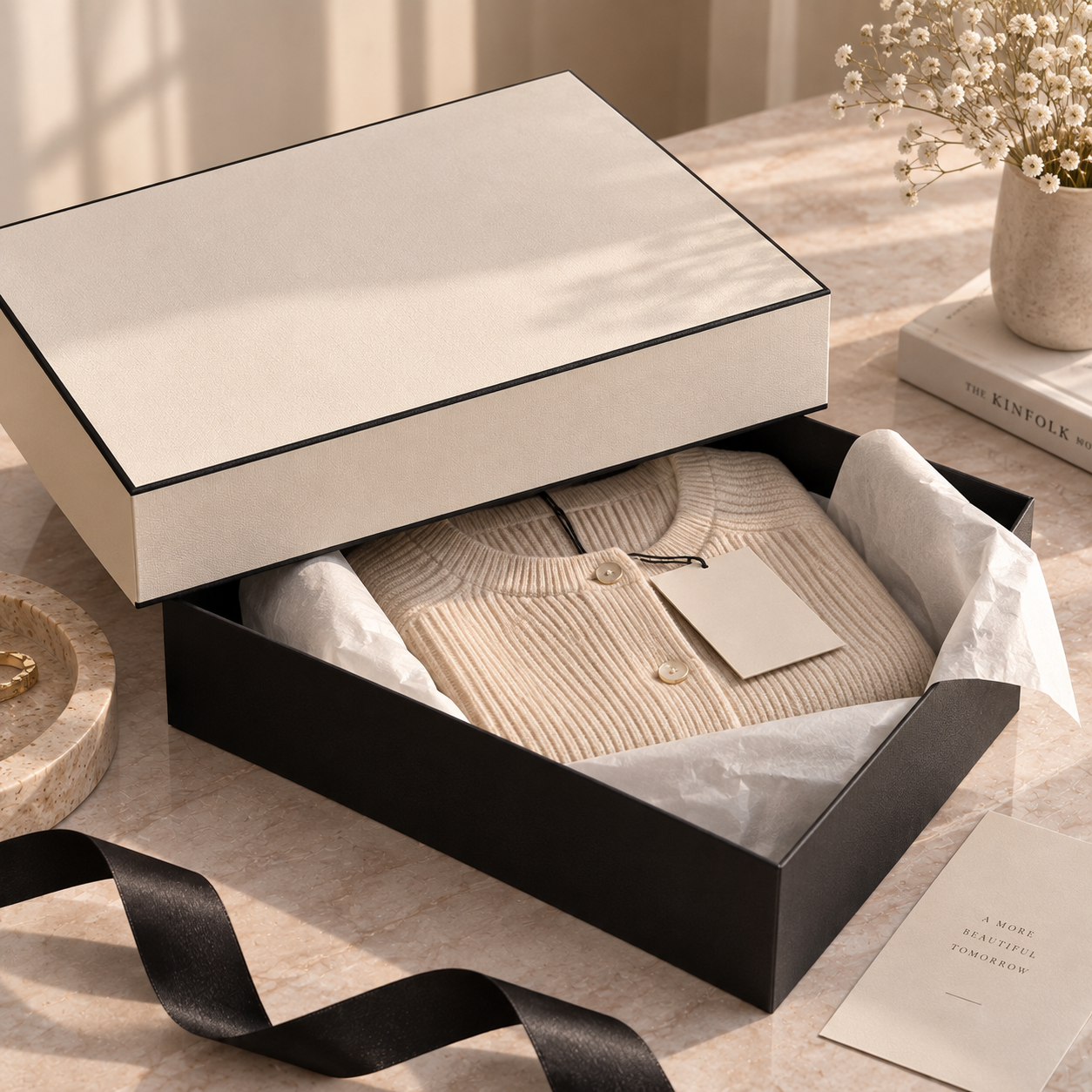
Top & Bottom
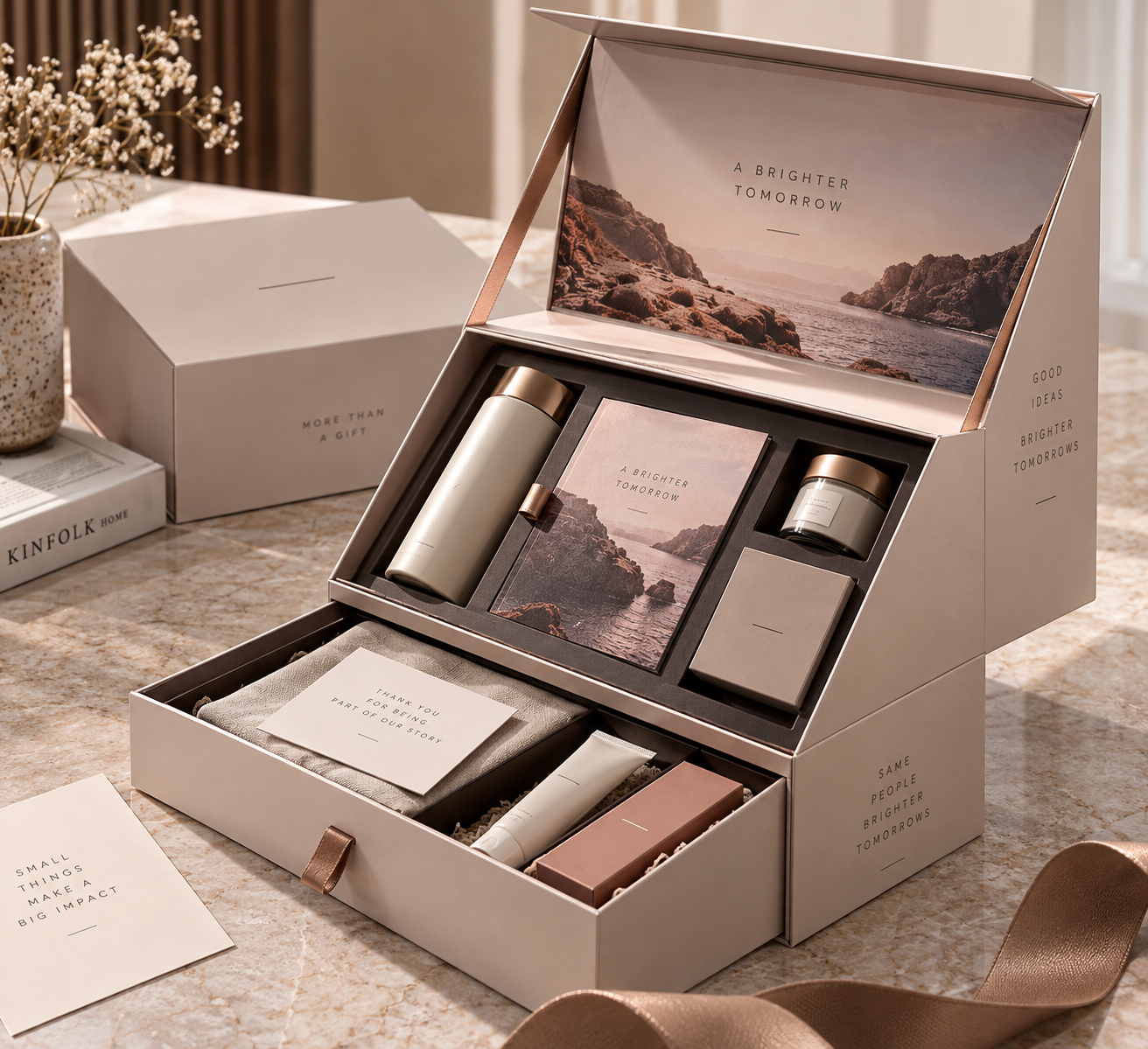
Custom Formats
03.What Materials and Finishes Are Available?
Chipboard is the base material behind every format above, but the finish applied on top is usually what a brand actually decides on. Three finishes cover most of what rigid box packaging is chosen for.
Foil Stamping
Spot UV
Embossing
Heat Tech
Scent Tech
All three need to be planned into the design before production starts, since retrofitting a finish onto an already-locked layout usually means reworking decisions that were already made. Chipboard itself is fibre-based, and combined with FSC-certified sourcing, rigid box can sit comfortably within a broader sustainable packaging approach, covered in more depth in our guide on sustainable packaging in Australia.
04.How Is Rigid Box Packaging Manufactured?
Rigid box moves through the same seven-stage sequence as any custom packaging project, though the details at each stage differ from a lighter structure.
For the full reasoning behind why the sequence runs in this order, see our guide on custom packaging from design to mass production.
05.Where Is Rigid Box Packaging Used?
The same structural strengths get used differently depending on the category, which is worth knowing before assuming one finish or format suits every product.
Corporate Gifting
A corporate gift box is judged the moment it's opened. Foil stamping, spot UV and embossing give a gift the weight a lighter structure can't.
Electronic Devices
A rigid box with a wet press moulded pulp insert holds the device securely while still looking premium.
Skincare and Cosmetics
Skincare and cosmetics packaging often needs to say as much about the brand as the product does, especially for gift sets and hero products that get picked up, opened and closed far more than a typical retail item. A rigid box holds its shape and finish through that handling while giving the presentation weight to match a premium formula.
Wine and Food & Beverage
Wine is the clearest example of why rigid box matters here: a bottle needs freight-grade protection to survive transit, but a cellar door or gifting moment calls for something that actually looks the part. A rigid box, finished with foil or spot UV, handles the presentation side, often paired with a corrugated shipper and a moulded pulp insert for the journey itself.
Home and Personal Care
Home and personal care spans everyday essentials to premium gift sets, and rigid box packaging fits the premium end of that range, where a product needs to stand out on a shelf rather than blend into it.
Pharmaceutical and Healthcare
For pharmaceutical and healthcare packaging, precise fit and clear labelling matter more than finish. A rigid box built to the product's exact dimensions keeps everything secure in transit and labelling flat and legible.
06.Benefits and Limitations
Benefits
- Structural weight and presentation a lighter box can't replicate
- Holds its shape and finish through repeated handling, opening and closing
- Takes foil, spot UV and embossing cleanly, since the board itself supports them
- Supports Heat Tech and Scent Tech finishes for a more interactive packaging experience through heat-reactive visuals and scented effects
- Seven structural formats to match different reveal experiences and product shapes
Limitations
- Costs more per unit than a cardboard box
- Not built for freight or high-volume shipping alone, usually needs an outer shipper for that
- Takes up more storage space than a cardboard box, aside from the collapsible format
- Minimum order quantity runs higher than lighter-duty packaging
07.How Does Rigid Box Compare With Other Packaging?
Rigid box is one of four core structures. Here's how each one stacks up against what actually matters when choosing between them.
| Structure | Best For | Limitation |
|---|---|---|
| Rigid Box | Premium presentation, corporate gifting, brand-forward packaging | Higher unit cost, not built for freight alone |
| Cardboard Box | Flexible, customisable shapes for categories like skincare | Lighter duty, not meant for heavy freight |
| Corrugated Box | Freight, storage and high-volume shipping | Built for transit, not shelf or gifting presentation |
| Moulded Pulp Insert | Internal cushioning for fragile or breakable items | Not a standalone box, needs a corrugated or rigid outer |
For a fuller framework on matching your product to the right structure, see our guide on how to choose the right packaging.
08.What Drives the Cost of Rigid Box Packaging?
Rigid box sits above cardboard and corrugated on cost, and the total figure depends on more than the base board.
- Board thickness and structural complexity of the chosen format
- Finishes applied, each one, foil, spot UV, embossing, adds its own production step
- How custom the structure is, a bespoke shape needs more tooling than a standard two piece box
- Order volume, since setup and tooling costs spread across the run
- Assembly, packing or kitting on top of the box itself
Our minimum order quantity for boxes starts at 5,000 units, stated upfront rather than left vague until the quote stage.
09.How Do I Choose a Format, or a Manufacturer?
Two separate decisions sit inside this question, and it's worth answering them in order.
Choosing a Manufacturer
Once the format is settled, the manufacturer question comes down to whether they actually produce rigid box structures in-house, hold a realistic minimum order quantity for your volume, quote honest lead times, and run a genuine prototype and approval step rather than skipping straight to production. Our guide on how to choose a packaging supplier in Australia covers this in full.
Manufacturing Credentials Worth Checking
PT Print holds ISO 9001:2015 (quality management), ISO 14001:2015 (environmental management), ISO 45001:2018 (occupational health and safety), FSC® certification for responsibly sourced fibre, and ISO 13485 for pharmaceutical and medical packaging, alongside Sedex and RBA membership, G7 and Fogra 51 colour management certification, and Good Manufacturing Practices (GMP) compliance.
10.Final Summary
Rigid box packaging earns its place wherever a brand needs the box itself to carry weight, built from chipboard across seven structural formats, finished with foil stamping, spot UV or embossing, and manufactured through the same tested prototype and approval process as any custom packaging structure. It costs more than a cardboard box, but for corporate gifting, premium retail and categories where presentation matters as much as protection, that's exactly what it's built to deliver.
Considering rigid box packaging for your product?
Tell us about your product and the presentation you're after, and we'll recommend a structural format and finish combination built around it.
Talk to Us About Your PackagingFAQs
What is rigid box packaging?
Rigid box packaging is built from chipboard, a thick paperboard that holds a fixed shape rather than folding flat. It suits categories where presentation and structural weight matter more than shipping efficiency, most often premium retail, corporate gifting and gift sets.
What rigid box formats can I choose from?
Common formats include drawer, collapsible, magnetic closure, book style, hinged flip lid, top & bottom, and fully custom structures built around a specific product.
What finishes can be applied to a rigid box?
Foil stamping, spot UV and embossing are the three most common. Foil stamping applies metallic or coloured foil to specific areas, spot UV adds a glossy raised coating for contrast, and embossing physically presses the board for a tactile effect.
What's the minimum order quantity for custom rigid boxes in Australia?
Our minimum order quantity for boxes starts at 5,000 units, stated upfront rather than left vague until the quote stage.
How is rigid box packaging actually manufactured?
It follows seven stages: confirming specifications, testing product fit, design, building a physical prototype, customer sign-off, mass production with colour checks, and delivery. Nothing moves to production without an approved, tested prototype.